The Pros and Cons of Buying a Corner Lot in San Antonio in 2026
When searching for a home in San Antonio, buyers often focus on the floor plan, neighborhood, school district, and overall condition of the property. But one feature that can have a surprisingly significant impact on both lifestyle and long-term value is the lot itself.
Corner lots are often easy to identify. They typically offer additional street frontage, greater visibility, and more open space than interior lots. For some buyers, that extra exposure and space can be a major advantage. For others, the additional traffic, maintenance requirements, and potential privacy concerns may outweigh the benefits.
In San Antonio’s 2026 real estate market, where buyers are becoming increasingly strategic about what they purchase, understanding the advantages and disadvantages of a corner lot is particularly important. A corner location can add value, but it is not automatically better than an interior lot. The right choice depends on the property’s specific location, neighborhood design, lot configuration, zoning, and the buyer’s priorities.
Why Corner Lots Attract Buyers
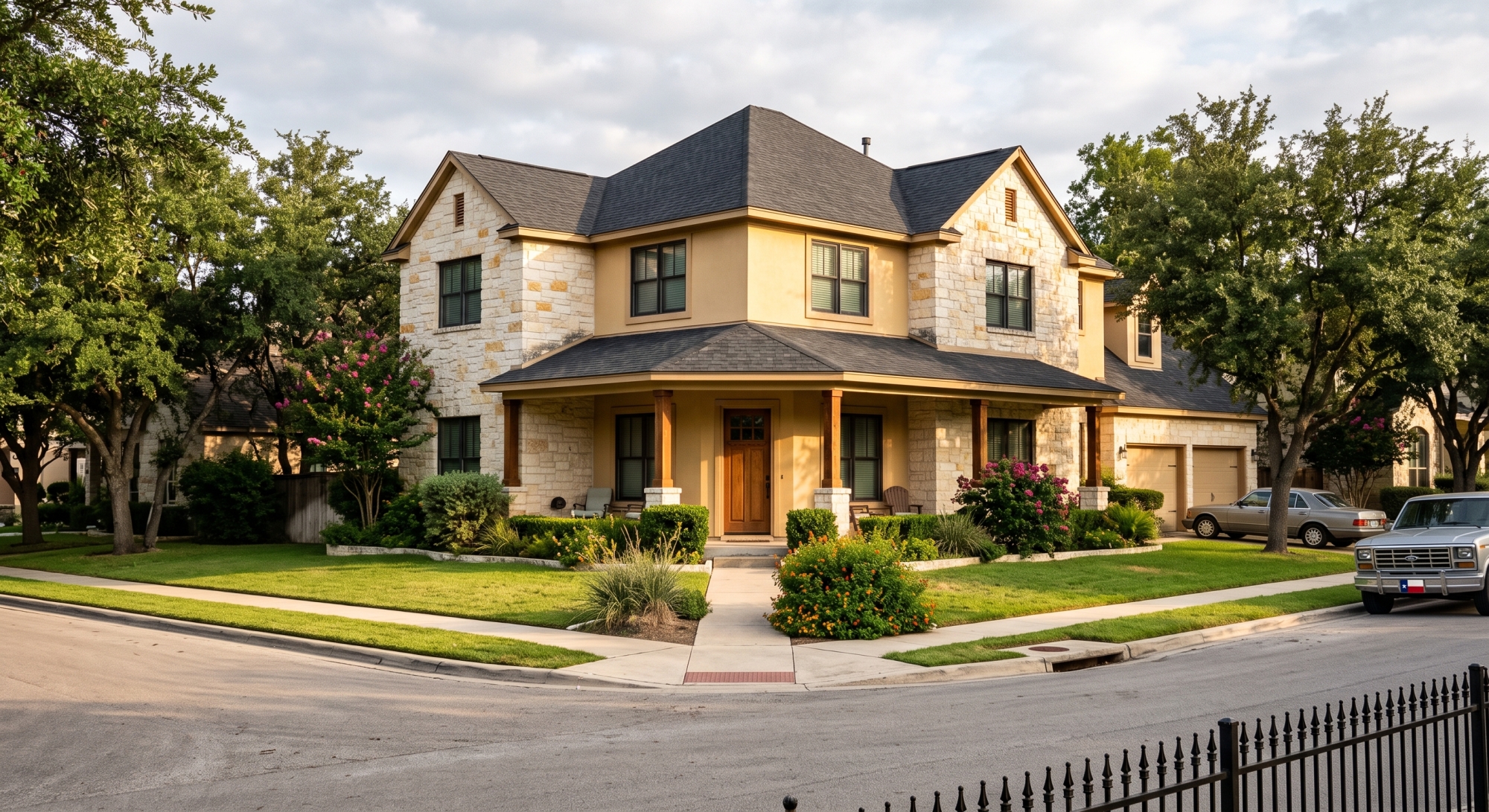
Corner lots tend to stand out because they often provide a more open feeling than homes located between two neighboring properties. Instead of having houses immediately adjacent on both sides, a corner property may have a street, sidewalk, greenbelt, or other open area along one side.
This can create greater visibility and sometimes provide additional yard space. For buyers who prioritize curb appeal, landscaping, or outdoor entertaining, that extra openness can be appealing.
Corner homes can also feel more prominent within a neighborhood. Their positioning may provide better views, additional natural light, or greater separation from neighboring homes. In some communities, these characteristics can make corner properties particularly desirable.
However, buyers should avoid assuming that every corner lot offers the same benefits. The actual shape, orientation, street configuration, and surrounding properties matter considerably.
Pro: More Outdoor Space and Greater Lot Exposure
One of the most obvious advantages of a corner lot is the potential for additional usable outdoor space. Because the property borders two streets rather than one, the lot may have more frontage or a larger side yard.
For homeowners who enjoy outdoor living, this can create opportunities for landscaping, patios, gardens, play areas, or other improvements.
In San Antonio, where outdoor living is an important part of the lifestyle, additional yard space can be especially valuable. Buyers who regularly entertain guests or have children or pets may appreciate having more room around the home.
That said, more space is only an advantage if the space is actually usable. Some corner lots have unusual configurations, large setbacks, utility easements, or restrictions that reduce how much of the additional area can realistically be developed.
Pro: Better Natural Light and Airflow
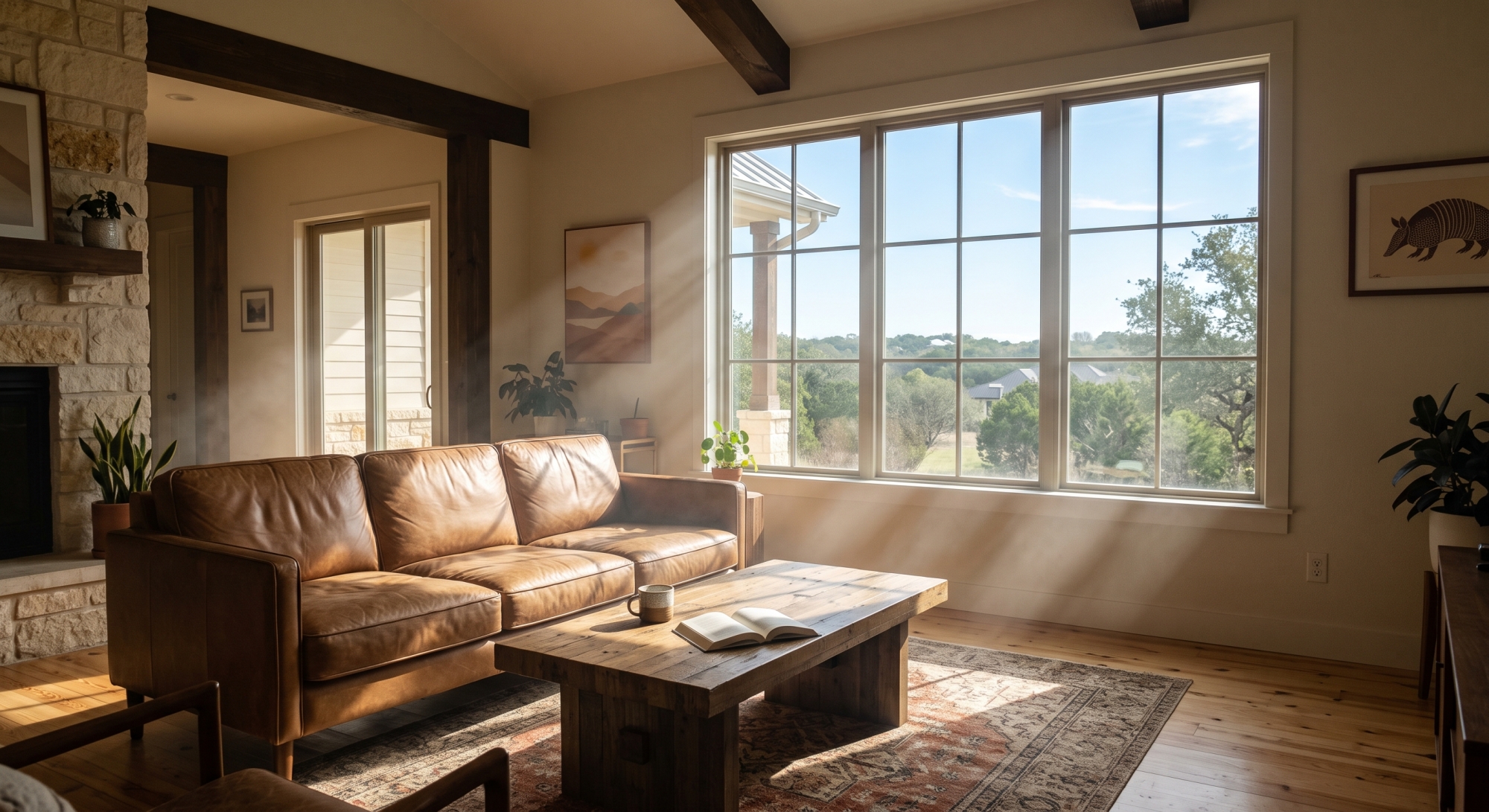
Corner homes may also benefit from having fewer neighboring structures immediately surrounding them. Depending on the orientation of the home, this can allow more natural light into rooms along the side of the property.
Additional exposure may also improve airflow and create a more open feel inside and outside the home.
For buyers who value bright interiors, outdoor views, and a sense of openness, these characteristics can make a corner property more attractive than a similarly priced interior lot.
The actual benefit depends on the property’s design, window placement, neighboring homes, trees, and surrounding development, so buyers should evaluate the specific property rather than assuming every corner lot will be brighter.
Pro: Potentially Stronger Curb Appeal
Corner homes are often more visible from the street, which can provide an opportunity for stronger curb appeal.
A well-designed corner property with attractive landscaping, a distinctive elevation, and a well-maintained yard can make a strong first impression. This can become an advantage when the property eventually enters the resale market.
Visibility can also make architectural features more noticeable, particularly in neighborhoods where homes are closely spaced.
However, visibility is a double-edged sword. The same exposure that makes a home stand out can also reduce privacy and increase the amount of exterior maintenance required.
Pro: More Flexibility for Certain Homeowners
A corner lot can provide greater flexibility for homeowners who want to customize their outdoor space, subject to local regulations and HOA restrictions.
Depending on the property, buyers may have more room for landscaping, additional outdoor seating, or other improvements.
For buyers planning to remain in the property for many years, this flexibility can be meaningful. A homeowner who expects to invest in landscaping or outdoor improvements may appreciate having additional frontage and yard space.
Before purchasing, however, buyers should verify setback requirements, easements, fencing rules, and HOA guidelines. More land does not necessarily mean unlimited development potential.
Con: Reduced Privacy
Privacy is one of the most significant disadvantages of a corner lot.
Because the property borders two streets, there may be more pedestrian and vehicle activity around the home. Front and side yards can be more visible to neighbors and people passing through the area.
For homeowners who prefer a secluded backyard or quiet residential environment, an interior lot may provide a better experience.
Privacy can sometimes be improved through landscaping, fencing, trees, and strategic outdoor design, but buyers should consider these improvements as part of the overall ownership cost.
Con: Increased Traffic and Noise
Corner lots can experience more traffic than homes positioned farther inside a neighborhood.
This is especially important when a corner is located near a neighborhood entrance, collector road, stop sign, busy intersection, school route, or commercial area.
The traffic may not be problematic during a typical home showing, which is why buyers should visit the property at different times of day.
A quiet Saturday afternoon does not necessarily represent weekday morning or evening conditions.
For buyers particularly sensitive to noise, traffic, or headlights from passing vehicles, this should be part of the due diligence process.
Con: More Landscaping and Maintenance
Additional street frontage often means additional landscaping responsibilities.
A corner property may have:
- More grass to maintain
- Larger planting areas
- Additional sidewalks
- More curb exposure
- More fencing considerations
In San Antonio’s hot climate, maintaining larger landscaped areas can require additional water, time, and money.
Buyers should determine exactly which areas they are responsible for maintaining. HOA rules may also dictate landscaping standards, irrigation requirements, fencing, and acceptable plants.
What initially appears to be a larger yard can become a larger maintenance commitment.
Con: More Exposure to Street Activity
A corner property is generally more exposed to everything happening around the neighborhood.
That can include headlights, pedestrians, delivery vehicles, neighborhood gatherings, street parking, and occasional traffic congestion.
For some buyers, this isn’t a concern. For others, particularly those seeking a quiet retreat, it can become a daily frustration.
This is one reason buyers should evaluate the specific intersection rather than simply categorizing the property as a “corner lot.”
A corner next to a quiet residential street is very different from a corner adjacent to a heavily traveled road.
Con: Fencing and Setback Restrictions Can Be More Complicated
Buyers who want a fully fenced yard should pay particular attention to corner-lot requirements.
Municipal regulations and HOA rules may impose specific setback requirements for fences facing streets. In some cases, a corner lot may require fencing to be positioned farther from the roadway than an interior property.
This can reduce usable yard space or affect privacy.
Before purchasing, buyers should confirm:
- Where fencing is permitted
- Required setbacks
- Maximum fence height
- HOA design requirements
- Utility easements
- Visibility requirements near intersections
These details can have a significant impact on how the property can be used.
Con: Resale Value Is Not Automatically Higher
A common misconception is that corner lots always command a premium when they are sold.
The reality is more complicated.
Some buyers specifically seek corner lots because they value additional space and visibility. Others actively avoid them because they prefer privacy, less traffic, and easier maintenance.
As a result, the resale advantage depends heavily on the neighborhood and buyer demographic.
A well-positioned corner property in a desirable community can certainly attract strong demand, but buyers should not pay a significant premium simply because a property sits on a corner.
The overall location, condition, floor plan, lot usability, and neighborhood desirability remain more important factors.
Corner Lots in Master-Planned Communities
Corner lots are particularly common in San Antonio’s newer master-planned communities.
These developments often feature carefully designed streets, sidewalks, parks, community amenities, and standardized lot configurations. As a result, the difference between a corner and interior lot may be relatively predictable.
Some builders charge lot premiums for corner locations, particularly when the lot offers additional space or a desirable orientation.
Buyers should evaluate whether the premium is justified by actual benefits. A corner lot with a larger usable yard and better positioning may justify additional cost, while a corner lot beside a busy entrance may not.
What Investors Should Consider
Investors should evaluate corner lots differently from owner-occupants.
For rental properties, visibility may have little impact on tenant demand unless the location provides meaningful convenience. In some cases, tenants may prefer interior lots because of reduced noise and greater privacy.
Investors should therefore focus on fundamentals such as:
- Purchase price
- Rental demand
- Property taxes
- Insurance
- Maintenance costs
- Neighborhood growth
- Long-term resale potential
A corner lot should be considered one characteristic of the property rather than the primary reason for purchasing it.
When a Corner Lot May Be Worth Paying More For
A corner lot may justify a premium when it offers several meaningful advantages at the same time.
For example, a property may be particularly attractive if it has a large usable yard, minimal traffic, excellent neighborhood positioning, attractive views, and favorable orientation.
A corner lot can also be valuable when it provides additional separation from neighboring homes without sacrificing privacy.
The important question is not whether the property is technically a corner lot. The question is whether its specific characteristics improve the property’s overall value and livability.
When an Interior Lot May Be the Better Choice
An interior lot may be the smarter option for buyers who prioritize privacy, quiet surroundings, and lower maintenance.
Families with young children may also appreciate having less direct exposure to neighborhood traffic. Buyers who want a more secluded backyard or who plan to spend significant time outdoors may prefer the additional privacy of an interior location.
If two homes are otherwise comparable, an interior lot may also provide an opportunity to avoid paying a premium for features that you do not personally value.
How to Evaluate a Corner Lot Before Buying
Before purchasing a corner property in San Antonio, buyers should visit the home multiple times and examine the surrounding environment carefully.
Pay attention to traffic patterns, street lighting, parking, pedestrian activity, drainage, sidewalks, utility poles, and nearby development.
It is also important to review the property survey and confirm easements, setbacks, and building restrictions.
If the property is located within an HOA, review the governing documents before making a decision. Restrictions on fencing, landscaping, parking, and exterior improvements can materially affect how a corner lot can be used.
A thorough inspection and careful review of the property’s physical characteristics can prevent expensive surprises later.
The Bottom Line for San Antonio Buyers in 2026
Corner lots can offer meaningful advantages, including additional space, stronger curb appeal, increased natural light, and greater separation from neighboring properties. For the right buyer, these features can make a home significantly more enjoyable.
But corner lots also come with trade-offs. Increased traffic, reduced privacy, additional landscaping responsibilities, and fencing restrictions can make them less appealing for buyers who prioritize peace and seclusion.
In 2026, the smartest approach is to evaluate the lot as part of the entire property—not as an automatic premium feature.
The best corner lot is one where the benefits clearly outweigh the compromises and where the purchase price reflects the property’s actual value.
Make a Smarter San Antonio Home Purchase
Choosing between a corner lot and an interior lot is only one part of evaluating a home. Understanding the neighborhood, property taxes, HOA requirements, future development, resale potential, and total ownership costs is equally important.
At True North Group, we help buyers look beyond the listing description and evaluate the details that can make a meaningful difference in long-term value and day-to-day livability. Whether you’re searching for a corner lot, a larger homesite, a new construction property, or an established San Antonio home, we can help you compare your options strategically.
If you’re planning to buy in San Antonio in 2026, contact True North Group today. Let us help you find a property where the location, lot, home, and long-term value all make sense for your goals.