



Historic Homes in New Braunfels: Where to Find Charm in 2026
New Braunfels continues to distinguish itself in Central Texas as a market where heritage and modern growth intersect in a meaningful way. In 2026, as new developments expand and inventory shifts toward contemporary construction, demand for historic homes is steadily increasing among buyers who prioritize character, architectural detail, and long-term uniqueness.
Unlike newer properties, historic homes offer a level of authenticity that cannot be replicated, making them especially appealing to those who want more than a standardized living experience. That said, purchasing a historic home requires a more calculated approach, as the charm often comes with structural considerations, regulatory constraints, and financial implications that must be carefully evaluated.
What Defines a Historic Home in New Braunfels?
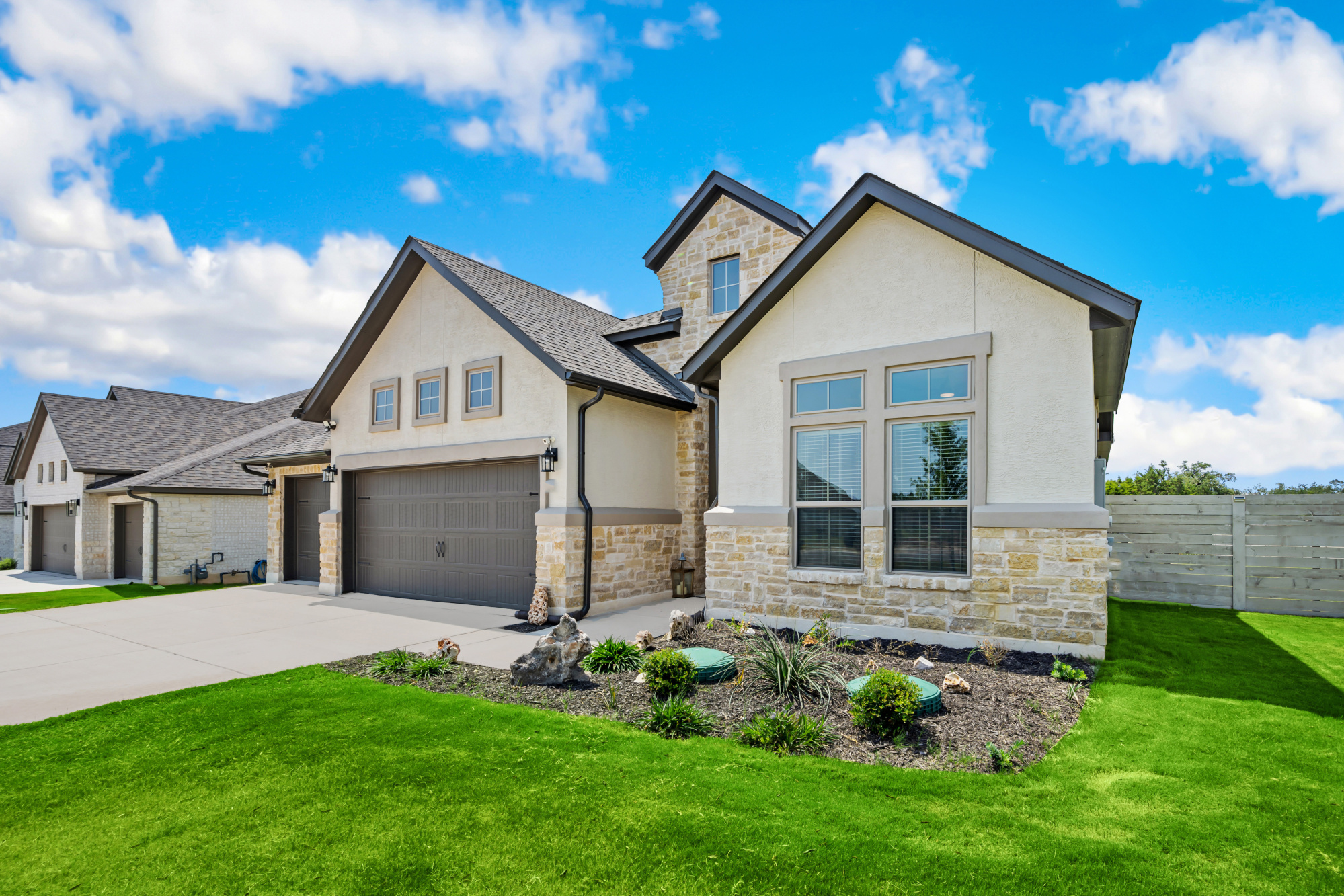
Historic homes in New Braunfels are deeply rooted in the city’s German heritage, with many properties dating back to the mid-19th and early 20th centuries. These homes typically showcase architectural styles such as German vernacular farmhouses, Victorian-era residences, and craftsman designs, each reflecting a distinct period in the city’s development.
Buyers can expect features like original wood flooring, hand-crafted details, stone or brick construction, and expansive porches that emphasize both functionality and design. Some properties fall within officially designated historic districts, which may come with preservation guidelines, while others are simply located in older neighborhoods that have retained their character over time.
This distinction matters, as historic designation can influence renovation flexibility, permitting requirements, and overall investment strategy.
Downtown New Braunfels: The Heart of Historic Charm
Downtown New Braunfels remains the most concentrated area for historic properties, offering a combination of walkability, cultural significance, and strong market demand.
Homes in this area benefit from proximity to local businesses, dining establishments, and community landmarks, making them highly desirable for both primary residents and lifestyle-focused buyers. Many of these properties have undergone renovations that blend original architectural elements with modern upgrades, creating a balance between charm and functionality.
However, inventory in this segment is limited, and competition can be intense, particularly for properties that are move-in ready. Buyers should be prepared for premium pricing and act decisively when opportunities arise, as well-positioned homes in this area tend to move quickly.
Gruene Historic District: A Unique Investment Niche
The Gruene Historic District offers a highly specialized segment of the New Braunfels market, combining preserved 19th-century architecture with a vibrant tourism and entertainment environment.
Homes in this area appeal to buyers seeking a distinctive lifestyle, as well as investors exploring opportunities tied to short-term rental potential, subject to local regulations. The uniqueness of Gruene creates a pricing dynamic that is less predictable than other areas, as property values are influenced not only by condition and size but also by proximity to commercial activity and visitor demand.
Buyers should approach this market with a clear understanding of zoning rules, usage restrictions, and long-term growth potential, as these factors play a significant role in determining overall return on investment.
Established Neighborhoods with Historic Appeal
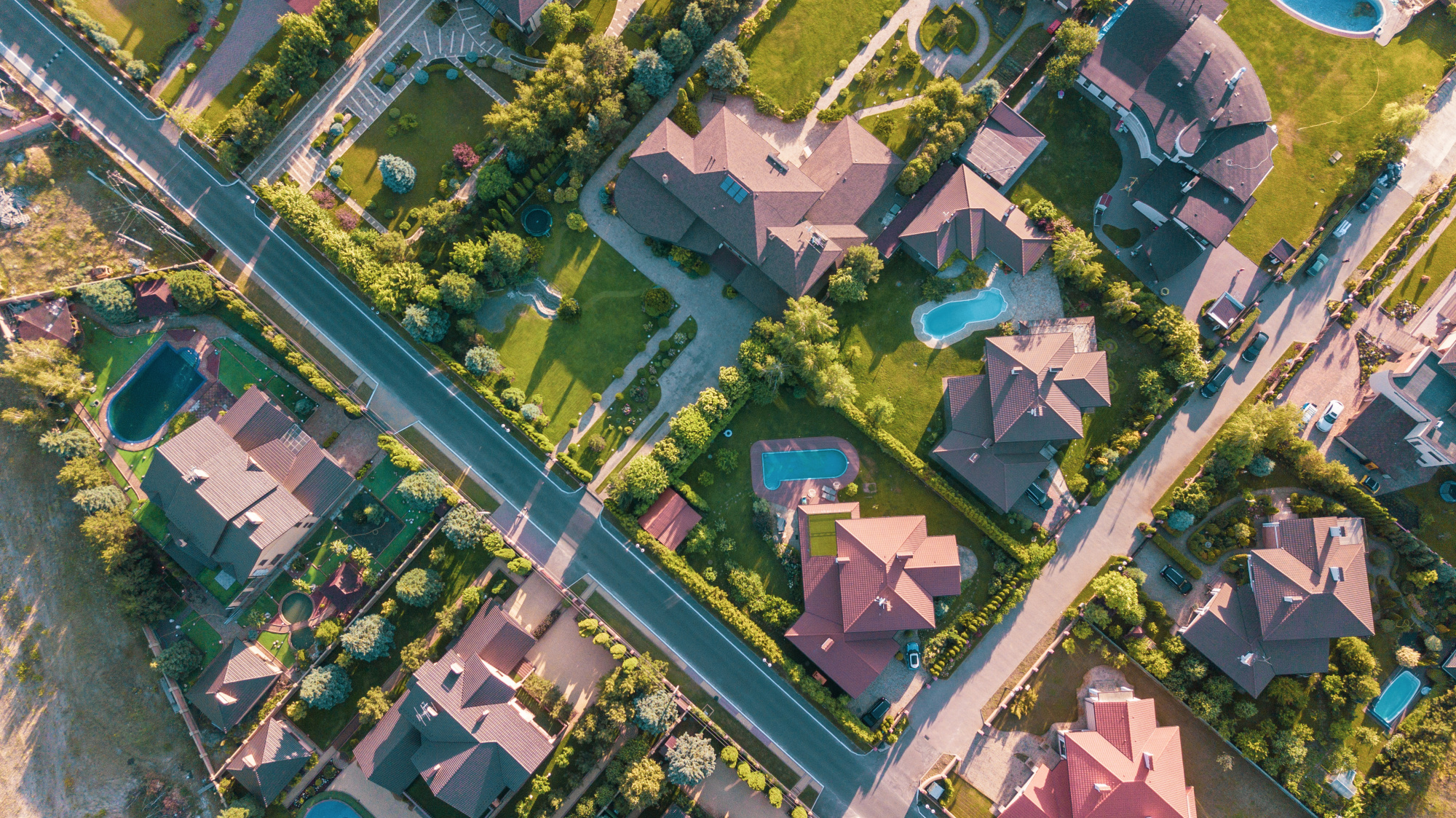
Outside of downtown and Gruene, New Braunfels features several established neighborhoods that offer older homes with historic character, often at more accessible price points.
These areas may not carry formal historic designations, but they still provide the benefits of mature landscaping, larger lot sizes, and architectural diversity that is increasingly difficult to find in newer developments.
For buyers willing to invest in renovations, these neighborhoods present a compelling opportunity to create value by modernizing interiors while preserving exterior charm. This approach can be particularly effective in attracting future buyers who want character without the restrictions that often accompany designated historic districts.
Renovation Potential and Hidden Costs
Renovation is one of the most critical factors to consider when purchasing a historic home, as these properties often require updates to meet current living standards.
While cosmetic improvements may be straightforward, underlying issues such as outdated electrical systems, aging plumbing, foundation concerns, and inefficient HVAC systems can significantly impact overall costs. In historic districts, renovation efforts may also be subject to approval processes that limit changes to the home’s exterior, adding another layer of complexity.
Buyers should conduct thorough inspections and work with experienced professionals to fully understand the scope of potential upgrades. Although renovation costs can be substantial, a well-executed project that preserves original features while integrating modern functionality can lead to meaningful increases in property value.
Market Demand and Long-Term Value
In 2026, the real estate market is showing a clear shift toward properties that offer differentiation, and historic homes align well with this trend.
Their limited supply inherently supports long-term value, as they cannot be replicated in the same way as new construction. Buyers are increasingly drawn to homes that offer a sense of place and identity, which positions historic properties as a unique asset class within the broader market.
However, appreciation is not guaranteed and depends heavily on location, condition, and the level of investment required. Properties in prime areas with thoughtful updates tend to perform well, while those requiring extensive work or located in less desirable neighborhoods may experience slower growth.
Financing and Insurance Considerations

Financing and insuring a historic home can present additional challenges compared to newer properties.
Lenders may require more detailed inspections or documentation to assess the condition of older structures, and insurance providers often factor in the increased cost of repairs when determining premiums. As a result, buyers should anticipate higher insurance costs and potentially more complex financing processes.
Engaging with lenders and insurance agents early in the transaction can help set realistic expectations and avoid delays. These considerations should be incorporated into the overall financial analysis to ensure the investment remains viable.
Lifestyle vs. Practicality: Making the Right Choice
Choosing a historic home ultimately comes down to balancing lifestyle preferences with practical considerations.
These properties offer a unique living experience defined by craftsmanship, history, and individuality, which can be highly appealing to the right buyer. However, they also require a willingness to manage ongoing maintenance and navigate potential limitations.
Buyers who value character and are prepared for the responsibilities involved often find historic homes to be deeply rewarding, while those seeking convenience and predictability may be better suited to newer construction.
Where the Opportunities Are in 2026
In the current market, opportunities within New Braunfels’ historic segment tend to fall into three main categories, each requiring a different approach.
Well-maintained homes in prime locations offer lower risk but come at a premium. Partially updated properties present opportunities for value creation through strategic improvements. Undervalued homes in emerging areas can deliver strong upside potential but often require a higher tolerance for renovation and market variability.
Buyers and investors who clearly define their objectives and conduct thorough due diligence are better positioned to capitalize on these opportunities.
Take the Next Step with Confidence
If you are considering investing in or purchasing a historic home in New Braunfels, the key is to move with clarity, not emotion. These properties can deliver strong long-term value, but only when the acquisition, renovation scope, and location all align with your strategy.
At True North Group, we help you identify high-potential historic properties, break down real costs beyond the listing price, and position you for both lifestyle satisfaction and financial upside.
Whether you are looking for a move-in-ready gem or a value-add opportunity, we will guide you through every step with data-backed insights.
Let’s have a conversation. If you are serious about owning a piece of New Braunfels history, now is the time to evaluate your options and secure the right property before inventory tightens further.