



The Future of Downtown San Antonio Living in 2026
Downtown San Antonio is undergoing a transformation that extends far beyond tourism and historic attractions. Once viewed primarily as the cultural and commercial heart of the city, downtown is increasingly becoming a desirable residential destination for professionals, retirees, investors, and lifestyle-focused homebuyers. In 2026, the future of downtown living is being shaped by continued redevelopment, infrastructure investment, population growth, and a growing demand for walkable urban neighborhoods.
As major Texas cities continue evolving, buyers are placing greater value on convenience, accessibility, and experience-driven living. Downtown San Antonio is responding to these changing preferences through new residential developments, revitalized public spaces, expanded entertainment districts, and improved connectivity throughout the urban core.
While suburban communities continue to attract many homebuyers, downtown San Antonio is emerging as a compelling alternative for those seeking a more connected lifestyle. Understanding where the market is heading can help buyers, investors, and future residents make informed decisions about opportunities in the city’s urban center.
Why Downtown San Antonio Is Entering a New Era
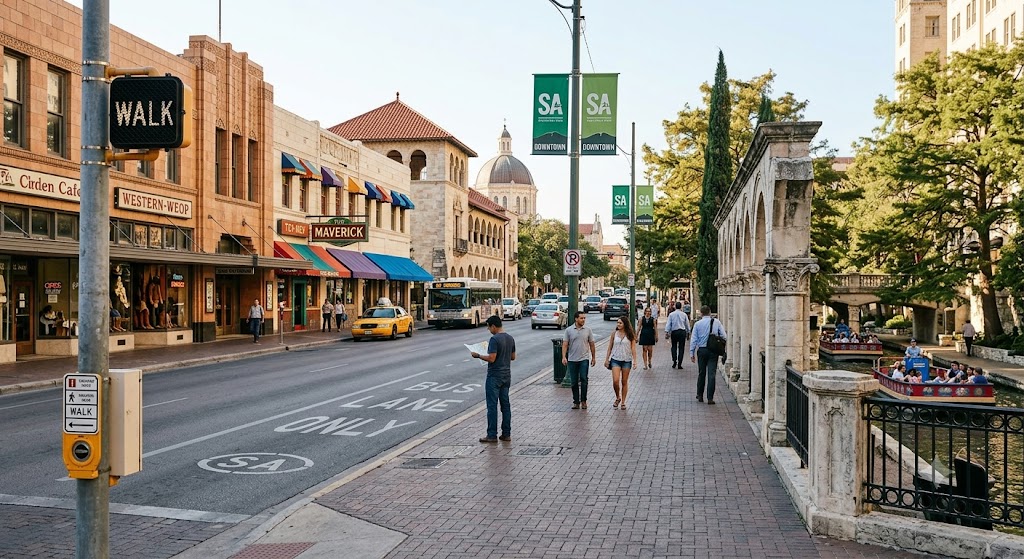
For decades, downtown San Antonio was primarily associated with tourism destinations such as the River Walk, the Alamo, and the city’s convention and hospitality industries. While those attractions remain important, the area is increasingly evolving into a mixed-use environment where people not only work and visit but also live.
Public and private investment has accelerated efforts to create a more vibrant urban core that supports full-time residents. New residential developments, office expansions, retail growth, and public infrastructure projects are helping transform downtown into a neighborhood rather than simply a destination.
This shift mirrors trends seen in other major cities where urban living has become increasingly attractive to professionals and households seeking convenience and reduced commuting burdens.
As a result, downtown San Antonio is positioning itself as one of the city’s most important long-term residential growth areas.
Population Growth Is Driving Urban Housing Demand
San Antonio continues to rank among the fastest-growing metropolitan areas in the United States. As population growth expands across the region, housing demand is increasing in both suburban and urban markets.
Many new residents are looking for alternatives to lengthy commutes and car-dependent lifestyles. Downtown living offers proximity to employment centers, cultural attractions, healthcare facilities, educational institutions, and entertainment venues.
The growing preference for walkability and convenience is helping support demand for:
- Condominiums
- Townhomes
- Mixed-use developments
- Luxury apartments
- Adaptive reuse residential projects
As more people seek urban housing options, downtown San Antonio is becoming an increasingly attractive choice.
The Continued Expansion of Residential Development
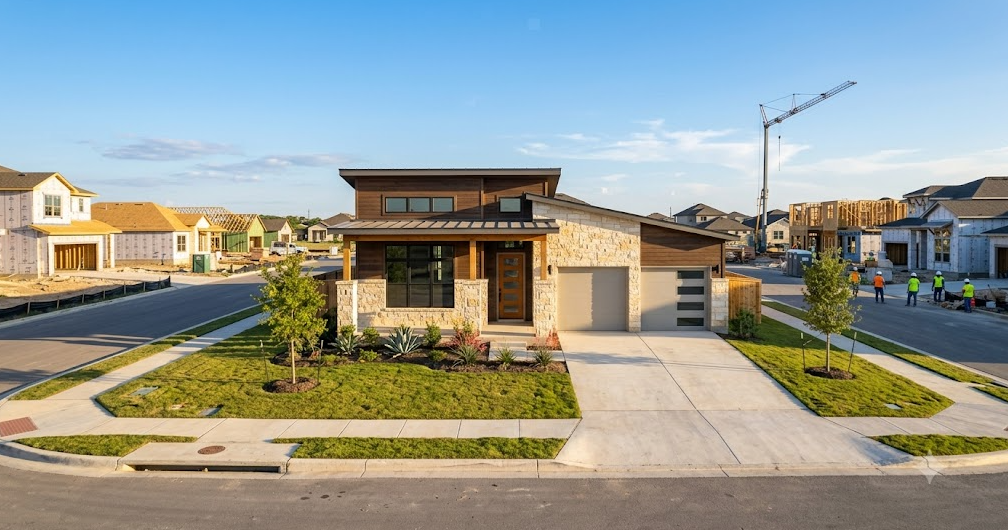
One of the most significant trends shaping downtown living in 2026 is the continued growth of residential construction.
Developers are responding to increasing demand by introducing projects that cater to a variety of buyer segments, including:
- Young professionals
- Empty nesters
- Retirees
- Investors
- Remote workers
Many of these developments emphasize modern amenities, walkability, and proximity to downtown attractions.
At the same time, adaptive reuse projects are converting historic buildings into residential spaces, allowing developers to preserve architectural character while meeting contemporary housing needs.
This combination of new construction and historic preservation is creating a diverse housing inventory that appeals to a broad range of residents.
The River Walk Continues to Influence Residential Appeal
The San Antonio River Walk remains one of the city’s most recognizable assets, but its role in residential development has expanded considerably.
The continued enhancement and extension of River Walk connections are creating greater accessibility between residential neighborhoods, commercial districts, parks, and cultural destinations.
For residents, this translates into:
- Improved walkability
- Recreational opportunities
- Increased property appeal
- Enhanced quality of life
Properties located near River Walk access points often command premium interest because buyers increasingly value outdoor amenities and lifestyle-oriented features.
As downtown evolves, the River Walk continues serving as both a recreational amenity and an important driver of residential demand.
Urban Living Is Attracting Remote and Hybrid Workers
One of the most important demographic shifts influencing downtown San Antonio is the continued growth of remote and hybrid work arrangements.
Many professionals no longer need to commute daily to suburban office campuses. Instead, they are prioritizing neighborhoods that provide:
- Walkability
- Dining options
- Coffee shops
- Co-working spaces
- Entertainment
- Community engagement
Downtown San Antonio aligns well with these preferences.
The ability to work remotely while enjoying an active urban environment has become increasingly appealing, particularly among younger professionals and relocating workers moving from larger metropolitan areas.
This trend is expected to remain a significant driver of downtown housing demand throughout 2026 and beyond.
The Rise of Mixed-Use Communities
The future of downtown living is closely connected to mixed-use development.
Modern buyers increasingly prefer environments where residential, retail, office, and entertainment spaces coexist within the same district.
Mixed-use developments offer several advantages:
- Reduced commuting needs
- Increased walkability
- Greater convenience
- Stronger neighborhood identity
- Enhanced property values
Downtown San Antonio is seeing continued investment in projects that integrate these elements, creating more vibrant and self-sustaining communities.
This approach supports long-term urban growth while improving the overall resident experience.
Infrastructure Investments Are Supporting Growth
A key component of downtown’s future is ongoing infrastructure improvement.
Public investment is helping address:
- Transportation connectivity
- Streetscape enhancements
- Public spaces
- Pedestrian accessibility
- Utility modernization
These improvements are critical because infrastructure quality directly impacts livability and long-term property values.
As downtown becomes increasingly residential, investments in mobility and public amenities will continue playing an important role in attracting new residents and supporting economic growth.
Neighborhoods that benefit from improved infrastructure often experience stronger demand and greater long-term market stability.
Downtown Condos Are Becoming More Competitive
Condominium living is gaining momentum in downtown San Antonio as buyers seek lower-maintenance ownership options within urban settings.
Modern condo developments offer:
- Security features
- Fitness centers
- Shared amenities
- Walkable locations
- Reduced maintenance responsibilities
For many buyers, particularly professionals and retirees, condos provide access to downtown living without the upkeep associated with single-family homes.
As demand increases, condo inventory near key downtown districts may become increasingly competitive.
Buyers considering urban ownership should carefully evaluate HOA structures, monthly costs, and building management quality before purchasing.
Investment Opportunities Continue to Emerge
Downtown San Antonio remains an area of interest for real estate investors due to its long-term growth potential.
Several factors contribute to investment appeal:
- Population growth
- Employment expansion
- Tourism activity
- Residential demand
- Infrastructure investment
Properties near employment centers, entertainment districts, and major redevelopment projects often attract consistent interest from both renters and owner-occupants.
However, successful investing requires more than simply buying downtown. Investors must carefully analyze:
- Acquisition pricing
- Rental demand
- HOA costs
- Property taxes
- Long-term neighborhood trends
The strongest opportunities are typically found where location fundamentals support sustainable demand rather than short-term speculation.
Challenges Facing Downtown Growth
While the future appears promising, downtown San Antonio is not without challenges.
As residential demand increases, concerns surrounding affordability, traffic management, parking availability, and housing supply will require ongoing attention.
Some buyers may find:
- Higher price-per-square-foot costs
- Limited inventory
- Increased competition
- Urban density challenges
Balancing growth while preserving the character and accessibility that make downtown attractive will remain an important priority for city planners and developers.
Long-term success depends on managing growth responsibly while continuing to invest in infrastructure and community development.
What Buyers Should Consider in 2026
For buyers considering downtown San Antonio living, several factors deserve careful evaluation:
- Monthly ownership costs
- HOA fees
- Walkability and accessibility
- Parking availability
- Future development plans
- Commute needs
- Lifestyle preferences
Urban living offers distinct advantages, but it is not the right fit for every household.
Understanding your priorities and long-term goals is essential when evaluating whether downtown aligns with your lifestyle.
The Long-Term Outlook for Downtown San Antonio
Looking ahead, downtown San Antonio appears poised for continued evolution as a residential destination.
The combination of population growth, redevelopment activity, infrastructure investment, and changing buyer preferences creates a strong foundation for long-term demand.
While market cycles will inevitably influence short-term conditions, the broader trend toward urban living is likely to remain a significant force shaping the area.
As more residents seek walkable neighborhoods with access to employment, entertainment, and cultural amenities, downtown San Antonio is well-positioned to remain one of the city’s most important growth centers.
Final Thoughts
The future of downtown San Antonio living in 2026 is defined by transformation, opportunity, and growing residential appeal. What was once primarily a tourist destination is increasingly becoming a place where people choose to build their lives.
From new residential developments and mixed-use projects to expanded infrastructure and enhanced walkability, the city’s urban core continues evolving to meet the needs of modern residents.
For buyers, investors, and future homeowners, downtown San Antonio represents more than a real estate opportunity—it represents a changing vision of how people want to live in one of Texas’ fastest-growing cities.
Discover Downtown San Antonio Living with True North Group
Whether you’re considering a downtown condo, investment property, luxury residence, or urban townhome, navigating San Antonio’s evolving real estate market requires local expertise and strategic guidance.
At True North Group, we help buyers and investors identify opportunities that align with their lifestyle, financial goals, and long-term plans. From analyzing neighborhood trends to evaluating future development potential, we provide the insight needed to make confident real estate decisions.
If you’re exploring downtown San Antonio living in 2026, contact True North Group today and let us help you find the right property in one of Texas’ most exciting urban markets.