




Cost of Living in New Braunfels vs. Austin: 2026 Edition
For years, New Braunfels has attracted homebuyers seeking a more affordable alternative to Austin without sacrificing access to Central Texas job markets, amenities, and quality of life. Located along the Interstate 35 corridor between Austin and San Antonio, New Braunfels has evolved from a small Hill Country community into one of the fastest-growing cities in Texas.
In 2026, however, the affordability gap between New Braunfels and Austin is not as dramatic as it once was. Population growth, continued migration into Central Texas, and strong housing demand have pushed costs upward across the region. While New Braunfels generally remains less expensive than Austin in many categories, buyers and renters must take a closer look at housing costs, transportation expenses, taxes, utilities, and lifestyle factors to determine where they can get the most value for their money.
The reality is that cost of living involves much more than comparing home prices. Understanding the full financial picture is critical for anyone considering a move to either city.
Why So Many People Compare New Braunfels and Austin
The comparison between New Braunfels and Austin has become increasingly common because many residents work, travel, or maintain business connections throughout Central Texas.
Austin remains one of the state’s strongest economic engines, attracting technology companies, startups, healthcare employers, and major corporate relocations. Meanwhile, New Braunfels has emerged as a popular residential destination for people who want access to these opportunities while avoiding some of the costs associated with living directly in Austin.
For many households, the decision comes down to balancing affordability with convenience.
Some buyers prioritize shorter commutes and urban amenities, while others are willing to travel farther in exchange for more space and lower ownership costs. The answer depends largely on lifestyle preferences and financial goals.
Housing Costs: The Biggest Difference Between the Two Cities
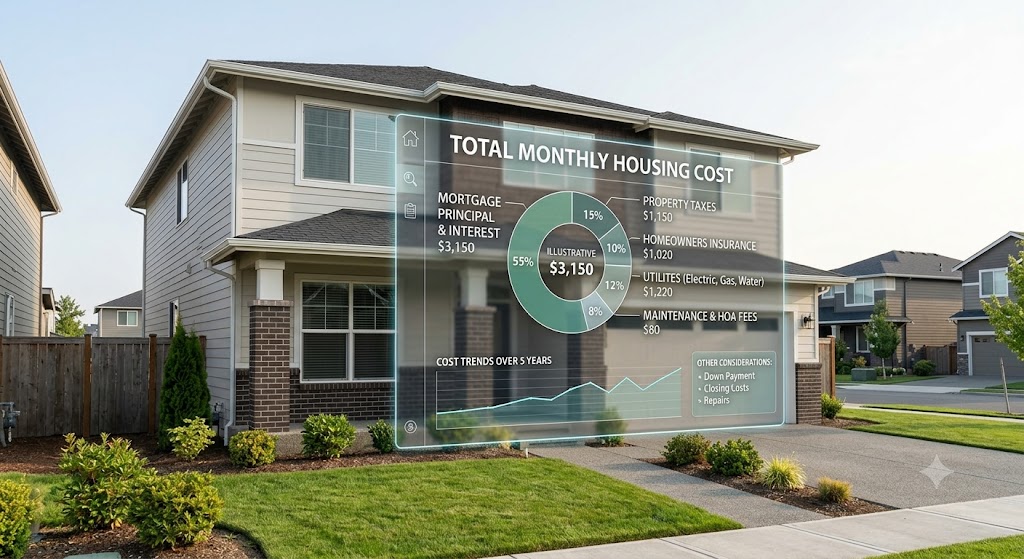
Housing remains the most significant factor separating the cost of living in New Braunfels and Austin.
Although Austin’s housing market has become more balanced compared to the rapid appreciation seen earlier in the decade, home prices remain substantially higher in many parts of the city. Buyers often pay a premium for proximity to major employment centers, entertainment districts, and established urban neighborhoods.
New Braunfels generally offers:
- Lower median home prices
- Larger homes for the same budget
- Bigger lot sizes
- More new construction opportunities
- Lower price-per-square-foot averages
For many families, the ability to purchase a newer home with additional living space remains one of New Braunfels’ strongest advantages.
However, housing costs in New Braunfels have risen significantly over the past several years. Buyers should no longer assume that every property offers a major discount compared to Austin.
The affordability advantage still exists, but it varies considerably by neighborhood and property type.
Renting in Austin vs. New Braunfels
Renters face a similar comparison.
Austin continues to command some of the highest rental rates in Texas, particularly in desirable areas such as downtown, South Austin, East Austin, and neighborhoods near major employment hubs.
New Braunfels generally offers more affordable rental options, though demand from commuters and relocating residents has increased pricing pressure.
Apartment renters often find:
- Lower monthly rents in New Braunfels
- More square footage per dollar
- Greater availability of newer communities
However, transportation costs may offset some of these savings for residents who commute regularly to Austin.
For renters, location relative to employment often plays a major role in determining overall affordability.
Property Taxes Remain an Important Consideration
Texas homeowners benefit from the absence of a state income tax, but property taxes remain a significant ownership expense.
Both Austin and New Braunfels are affected by Texas’ property tax structure, though actual tax obligations vary depending on:
- School districts
- Municipal boundaries
- Community improvement districts
- Property values
Many buyers focus heavily on purchase price while overlooking long-term tax obligations.
In some cases, a lower-priced home with a higher tax burden may have monthly costs comparable to a more expensive property with a lower effective tax rate.
Understanding local tax structures is essential when comparing affordability between the two markets.
Utilities and Energy Costs

Utility costs are another important factor affecting overall cost of living.
While utility expenses vary based on home size, construction quality, and usage habits, newer homes in New Braunfels often benefit from modern energy-efficient construction standards.
Many newer communities include:
- High-efficiency HVAC systems
- Improved insulation
- Energy-efficient windows
- Smart home technology
These features can help reduce operating expenses compared to older housing stock.
Austin also offers many energy-efficient housing options, particularly in newer developments and green-certified communities. However, older homes in established neighborhoods may require higher utility expenditures.
In both cities, summer cooling costs remain a major component of household expenses.
Transportation Costs and Commuting Considerations
Transportation is one area where New Braunfels residents may face higher overall expenses.
Many people choose New Braunfels because it offers housing savings relative to Austin. However, commuting to Austin can introduce:
- Fuel costs
- Vehicle maintenance expenses
- Increased mileage
- Time-related costs
- Traffic-related stress
For remote workers or individuals employed locally, these concerns may be minimal.
However, buyers who commute daily should evaluate transportation expenses carefully when comparing overall affordability.
A lower mortgage payment does not always translate into lower total living costs if significant commuting expenses are involved.
Food, Dining, and Everyday Expenses

When comparing everyday living costs, the differences between Austin and New Braunfels are generally less dramatic.
Groceries, healthcare services, and consumer goods are often similarly priced throughout Central Texas.
However, Austin tends to offer:
- More premium dining options
- Higher-end entertainment venues
- Greater variety of specialty retailers
These amenities can contribute to higher discretionary spending for some households.
New Braunfels offers a growing selection of restaurants, shopping centers, and entertainment options while maintaining a somewhat lower overall spending environment.
For many residents, this balance contributes positively to affordability.
Lifestyle Value: What Are You Getting for Your Money?
Cost of living should never be evaluated solely through expenses. Buyers should also consider the value received in return.
Austin offers:
- Extensive employment opportunities
- Cultural attractions
- Major entertainment venues
- Diverse dining options
- Urban amenities
New Braunfels offers:
- Hill Country charm
- River recreation
- Lower-density living
- Family-oriented communities
- Larger residential properties
- Access to both Austin and San Antonio
Neither city is inherently better. The decision depends on which lifestyle aligns most closely with your priorities.
For some residents, access to urban amenities justifies higher housing costs. For others, additional space and a slower pace of life provide greater value.
New Construction Opportunities
One area where New Braunfels often provides a significant advantage is new construction inventory.
The city continues to see substantial residential development, offering buyers:
- Modern floor plans
- Energy-efficient construction
- Builder incentives
- Community amenities
While Austin also has new developments, many buyers find that their budget stretches further in New Braunfels.
This can be particularly attractive for first-time buyers and families seeking more home for their money.
Investment Potential and Long-Term Value
Both Austin and New Braunfels continue attracting investors, though the investment profile differs between the two markets.
Austin benefits from:
- Strong job growth
- Corporate relocations
- Established economic diversification
New Braunfels benefits from:
- Population growth
- Regional migration trends
- Continued residential development
- Strategic location between two major metropolitan areas
For long-term investors, both markets offer opportunities, though acquisition strategies and risk profiles may vary.
The key is evaluating local neighborhood dynamics rather than relying solely on citywide trends.
Who Should Choose Austin?
Austin may be the better choice for:
- Professionals who work in the city
- Buyers prioritizing walkability and urban amenities
- Residents seeking shorter commutes
- Individuals who value cultural and entertainment access
- Buyers willing to pay a premium for location
For many households, the convenience and opportunities available in Austin justify the higher cost of living.
Who Should Choose New Braunfels?
New Braunfels may be the better fit for:
- Families seeking larger homes
- Buyers wanting more space and land
- Remote workers
- Commuters willing to trade time for housing savings
- Residents seeking a more relaxed lifestyle
The city’s continued growth and strategic location make it an attractive option for buyers looking to balance affordability and quality of life.
The 2026 Outlook
In 2026, New Braunfels remains more affordable than Austin in many respects, particularly when it comes to housing. However, the gap has narrowed as demand continues to push prices upward throughout Central Texas.
Buyers should focus on total cost of living rather than individual expenses. Housing, transportation, taxes, utilities, and lifestyle considerations all play important roles in determining overall affordability.
The best choice ultimately depends on personal priorities, financial goals, and long-term plans.
Final Thoughts
The cost of living comparison between New Braunfels and Austin is no longer simply about finding the cheaper city. Both markets offer unique advantages, opportunities, and trade-offs.
Austin provides access to one of the strongest economies in the country, while New Braunfels offers more space, growing amenities, and a lifestyle that appeals to a wide range of buyers.
Understanding your budget, commute preferences, and long-term objectives will help determine which city provides the greatest value for your specific situation.
Let True North Group Help You Compare Your Options
Whether you’re considering a move to Austin, New Braunfels, or another Central Texas community, making the right real estate decision requires more than comparing home prices.
At True North Group, we help buyers evaluate neighborhoods, ownership costs, lifestyle factors, and long-term market trends so they can make informed decisions with confidence.
If you’re exploring your options in Central Texas, contact True North Group today and let us help you find the community that best fits your goals, budget, and lifestyle.