Living Along the Guadalupe River: What Homebuyers Should Know in 2026
Living along the Guadalupe River offers a lifestyle that is difficult to replicate in many other parts of Central Texas. The river’s scenic surroundings, recreational opportunities, mature landscapes, and proximity to communities such as New Braunfels make riverfront and river-adjacent properties especially attractive to buyers looking for more than a traditional suburban home.
In 2026, interest in properties near the Guadalupe River continues to reflect a broader shift in what buyers value. Outdoor recreation, access to nature, privacy, and lifestyle amenities have become increasingly important considerations when choosing where to live. For some buyers, being able to step outside and enjoy the river is the ultimate luxury. For others, proximity to the water may introduce concerns involving flooding, insurance, maintenance, access, and resale considerations.
Buying a home near the Guadalupe River therefore requires a different level of due diligence than purchasing a typical suburban property. The view may be exceptional, but the buyer needs to understand exactly what comes with the location.
Why Buyers Are Drawn to the Guadalupe River
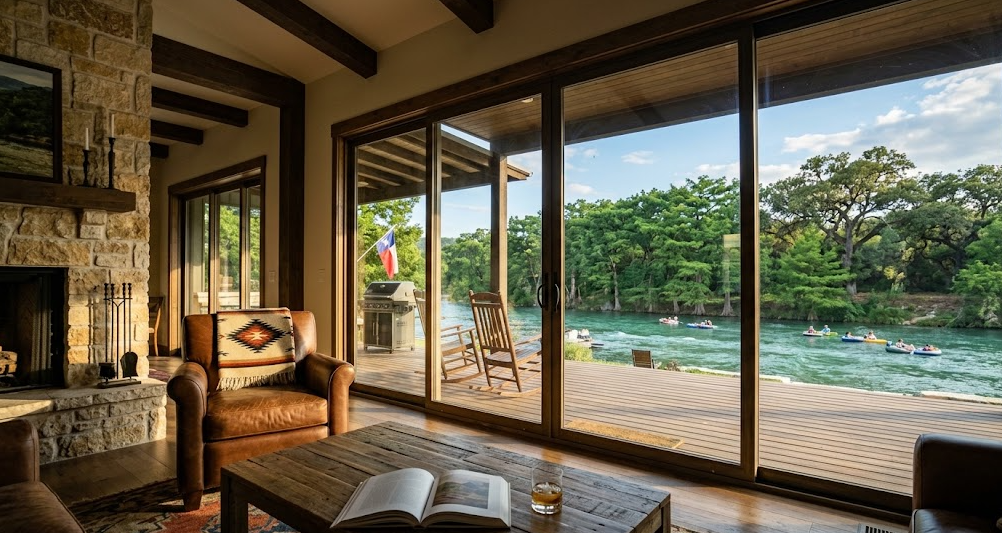
The Guadalupe River is one of the defining natural features of the New Braunfels area and a major part of the region’s outdoor lifestyle. Residents and visitors enjoy activities such as kayaking, tubing, fishing, swimming, hiking, and simply spending time near the water.
For homeowners, proximity to the river can provide a unique everyday experience. Instead of traveling to a recreational destination, residents may have access to nature just minutes from their front door.
This lifestyle appeal is a major reason properties near the river can attract strong buyer interest. A home located near a natural amenity can offer something that cannot easily be replicated through new construction or interior renovations.
However, buyers should distinguish between being near the river and having direct river access. Those are very different ownership experiences, and the difference can have a significant effect on both price and property responsibilities.
Riverfront, River-Adjacent, and Nearby Homes Are Not the Same
One of the first questions buyers should ask is exactly how close the property is to the Guadalupe River.
A true riverfront property may have direct frontage and potentially private access, while a river-adjacent property may simply be located within walking or short driving distance of the water.
Other homes may be located in neighborhoods that benefit from proximity to public river access without actually touching the river.
These distinctions matter because riverfront properties generally involve different considerations regarding land, erosion, flood exposure, maintenance, access, and insurance.
Before making an offer, buyers should understand precisely what they are purchasing rather than relying on phrases such as “river access” or “near the river” in marketing materials.
The Lifestyle Advantage Is Difficult to Replicate
For buyers who prioritize outdoor recreation, living near the Guadalupe can provide exceptional lifestyle value.
Residents may have convenient access to:
- Water recreation
- Fishing
- Hiking and walking areas
- Scenic views
- Outdoor entertaining
- Nature and wildlife
This can be especially attractive to families, retirees, second-home buyers, and outdoor enthusiasts.
The river can also provide a natural backdrop that creates a stronger sense of privacy and separation from dense residential development.
In a rapidly growing region like New Braunfels, access to established natural features can become increasingly valuable as surrounding development expands.
Flood Risk Should Be a Major Part of the Decision
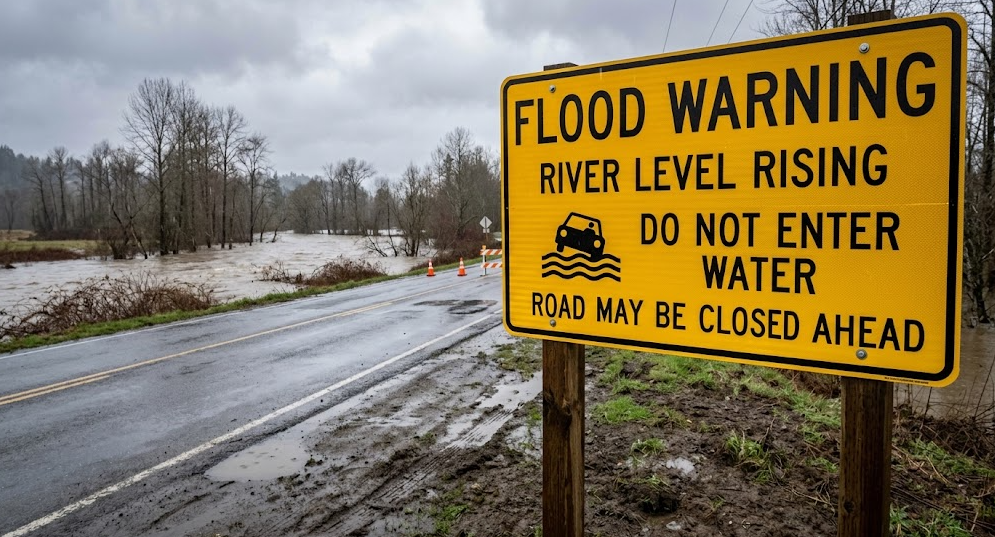
The most important issue buyers should investigate when considering a property near the Guadalupe River is flood risk.
Being close to a river does not automatically mean a property will flood, but proximity to a major waterway requires careful evaluation of floodplain maps, elevation, drainage, historical flooding, and property-specific conditions.
Buyers should determine whether the property is located within a designated flood hazard area and understand how that designation could affect financing, insurance, construction, and future resale.
It is important not to rely solely on a seller’s statement that a property has “never flooded.” Historical experience is useful, but it does not replace professional research and current flood mapping.
A qualified real estate professional, insurance provider, surveyor, and other appropriate specialists can help buyers evaluate the property’s specific risk profile.
Insurance Costs Can Change the Affordability Equation
Insurance deserves particular attention when purchasing near the Guadalupe River.
A property’s proximity to water and its flood risk profile can influence insurance requirements and premiums. Even when flood insurance is not mandatory for a particular property, buyers may still want to consider additional coverage depending on their risk tolerance and the property’s characteristics.
This is one reason buyers should obtain insurance quotes before becoming fully committed to a purchase.
A home that appears affordable based on its mortgage payment may have significantly higher total ownership costs once homeowners insurance, potential flood insurance, taxes, HOA dues, and maintenance are included.
Understanding the complete monthly and annual cost is essential.
River Views Can Carry a Premium
Properties offering direct or unobstructed river views can command a premium because the feature is scarce and difficult to reproduce.
A beautiful view can also contribute to resale appeal. Buyers who value nature and outdoor living may be willing to pay more for a property that provides an exceptional visual connection to the river.
However, buyers should be careful about paying for a view that may not remain permanent.
Future development, vegetation growth, changes in neighboring properties, and land-use restrictions can all influence what a homeowner sees from the property.
Before paying a significant premium for a view, buyers should understand the surrounding land and any applicable development restrictions.
Riverfront Ownership Can Mean More Maintenance
Living near the water can also create additional maintenance responsibilities.
Depending on the property, homeowners may need to address issues involving:
- Landscaping
- Drainage
- Erosion
- Trees and vegetation
- Outdoor structures
- Retaining walls
- Water-related wear
Riverfront environments can expose structures and landscaping to conditions that differ from typical suburban properties.
Buyers should have the property thoroughly inspected and pay particular attention to drainage, foundations, retaining structures, decks, docks, and other improvements near the water.
The cost of maintaining these features should be considered before determining whether the property represents good value.
Understand Access and Property Rights
Another important consideration is determining exactly what access rights come with the property.
A home located near the Guadalupe River does not necessarily provide private access to the water. Likewise, a property marketed as having river access may rely on a shared easement, neighborhood access point, or public area rather than direct private ownership.
Buyers should review the survey, deed restrictions, easements, and other relevant documents to understand what rights are actually conveyed with the property.
This distinction becomes especially important for buyers purchasing specifically because of recreational access.
Public Access Can Be a Major Benefit
Not every buyer needs private riverfront property to enjoy the Guadalupe.
Homes located near public access points, parks, and recreational areas can provide many of the same lifestyle benefits without the cost and maintenance responsibilities associated with direct river frontage.
For buyers working within a specific budget, this can be a particularly effective strategy.
Instead of paying a significant premium for waterfront ownership, buyers may choose a well-located home with convenient access to the river while allocating more of their budget toward the house itself, savings, or other investments.
Tourism and Seasonal Activity Matter
The Guadalupe River is not only a residential amenity—it is also a major recreational destination.
During peak periods, river activity can increase significantly. This can affect traffic, parking, noise, and overall activity levels in nearby areas.
For some homeowners, this energy is part of the attraction. For others, particularly buyers seeking a quiet retreat, seasonal activity may become a drawback.
Prospective buyers should visit the neighborhood during different times of the year and at different times of day to understand what living there will actually feel like.
Short-Term Rental Considerations
Some buyers may be interested in purchasing properties near the Guadalupe River as short-term rental investments. The area’s recreational appeal can create demand for vacation accommodations, but buyers should not assume that every property can legally or practically operate as a short-term rental.
Local regulations, HOA restrictions, deed restrictions, insurance requirements, and property-specific rules can all affect rental opportunities.
Before purchasing an investment property, buyers should verify the applicable rules and conduct conservative financial analysis.
Projected rental income should never be the only justification for paying a premium for a river-adjacent property.
Long-Term Value Depends on More Than the Water
The Guadalupe River can be a powerful value driver, but it should not overshadow the fundamentals of the property.
Buyers should also evaluate:
- Neighborhood quality
- Road access
- Nearby amenities
- Schools
- Property condition
- Flood exposure
- Insurance costs
- Future development
- Resale demand
A beautiful river location does not automatically make a property a strong investment.
The best opportunities combine lifestyle appeal with sound real estate fundamentals.
Who Is Best Suited for River Living?
Living near the Guadalupe River may be particularly appealing to buyers who prioritize outdoor recreation, privacy, and a nature-oriented lifestyle.
It can be a strong fit for families who spend significant time outdoors, retirees seeking a peaceful environment, professionals who value recreational access, and buyers looking for a distinctive property that offers something beyond a standard subdivision.
However, buyers who prioritize predictable maintenance costs, minimal insurance complexity, or a highly urban lifestyle may find a traditional neighborhood more practical.
The right decision depends on how much value the buyer places on the river lifestyle compared with the additional considerations that come with it.
What Buyers Should Investigate Before Making an Offer
A property near the Guadalupe River deserves thorough due diligence.
Before purchasing, buyers should investigate the property’s flood zone, insurance costs, elevation information, drainage, survey, easements, access rights, HOA or deed restrictions, and history of flooding or water-related damage.
They should also consider the property’s condition and the cost of maintaining any improvements near the river.
Visiting the property after heavy rainfall, when possible, can provide additional insight into drainage and surrounding conditions, although it should never replace professional assessment.
The more carefully buyers investigate before closing, the fewer surprises they are likely to encounter after moving in.
The 2026 Outlook for Guadalupe River Properties
The long-term appeal of the Guadalupe River is unlikely to disappear. As New Braunfels and the surrounding Central Texas region continue growing, access to natural amenities may become increasingly valuable.
At the same time, buyers are becoming more sophisticated about risk. Affordability is no longer measured solely by purchase price. Insurance, maintenance, taxes, and long-term usability are becoming increasingly important components of the purchasing decision.
This creates a market where well-positioned river properties with manageable risk profiles can remain highly desirable, while properties with significant flood, access, or maintenance challenges may require more careful pricing.
Final Thoughts
Living along the Guadalupe River offers an exceptional combination of natural beauty, recreation, and lifestyle appeal. For the right buyer, waking up near the water and having convenient access to one of Central Texas’ most recognizable natural amenities can be worth the premium.
But river living requires a more comprehensive approach to due diligence. Flood risk, insurance, maintenance, access rights, seasonal activity, and future development all deserve careful consideration before purchasing.
The goal should not simply be to find the closest home to the river. It should be to find a property where the lifestyle benefits, financial considerations, and long-term risks make sense together.
Find Your Place Near the Guadalupe River
Buying near the Guadalupe River requires local knowledge and careful evaluation. At True North Group, we help buyers look beyond the listing description and understand the factors that can affect a property’s livability, ownership costs, and long-term value.
Whether you’re looking for a true riverfront home, a property with convenient river access, or a neighborhood close to New Braunfels’ outdoor amenities, we can help you compare your options and identify properties that fit your goals.
If you’re considering buying near the Guadalupe River in 2026, contact True North Group today and let us help you find the right Central Texas property for your lifestyle and long-term plans.