



San Antonio Gated Communities: Are They Worth It in 2026?
San Antonio’s real estate market continues to evolve as buyers prioritize security, lifestyle amenities, and long-term value. In 2026, one segment that consistently draws attention, particularly among move-up buyers, retirees, and relocating professionals, is gated communities.
These neighborhoods promise exclusivity, privacy, and enhanced security, often paired with curated amenities and strong homeowners association (HOA) management. However, the real question buyers should be asking is not whether gated communities are desirable, but whether they are financially and strategically worth it in today’s market.
The answer is not one-size-fits-all. It depends on how these communities align with your lifestyle, risk tolerance, and long-term real estate objectives.
What Defines a Gated Community in San Antonio?
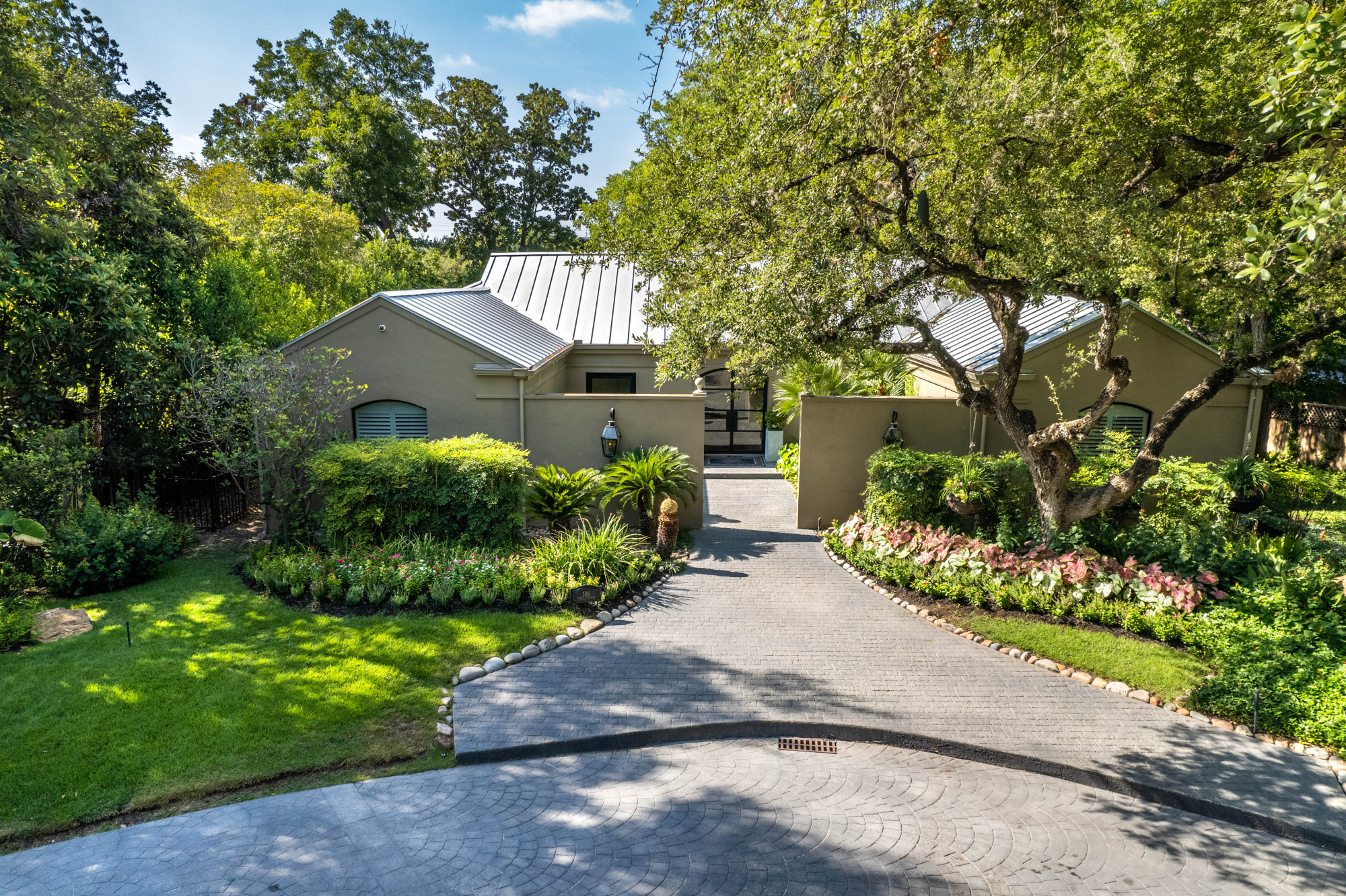
A gated community is a residential neighborhood with controlled access points, typically secured by gates, guardhouses, or electronic entry systems. In San Antonio, these communities range from luxury enclaves in areas like Stone Oak and The Dominion to more moderately priced developments across the metro.
Beyond physical security, gated communities often include private roads, HOA-managed landscaping, shared amenities such as pools and fitness centers, and architectural guidelines that maintain neighborhood consistency. These features are designed to create a controlled and cohesive living environment, which can influence both lifestyle experience and property values.
The Perceived Value of Security and Privacy
Security is one of the primary reasons buyers consider gated communities. Restricted access can reduce through-traffic and create a stronger sense of privacy compared to open neighborhoods.
For families and retirees, this added layer of control often translates into peace of mind. While no community is entirely risk-free, gated access can deter opportunistic incidents and provide residents with a sense of exclusivity.
That said, buyers should approach this benefit with a clear, data-driven mindset. Gated entry does not guarantee complete security. Its effectiveness depends on factors such as whether the community is guard-gated, the quality of surveillance systems, and how strictly access is managed.
In practical terms, the value of security is both functional and psychological, and both should be weighed carefully.
Impact on Property Values and Market Demand

Gated communities often command price premiums compared to similar homes in non-gated neighborhoods. This premium is driven by perceived exclusivity, controlled aesthetics, and access to amenities.
In San Antonio, neighborhoods with strong HOA governance and consistent property standards tend to maintain more stable property values over time. Buyers are often willing to pay for predictability, knowing that neighboring homes will be maintained according to established guidelines.
However, in a more normalized 2026 market, buyers are more analytical and less emotionally driven than in previous peak years. If comparable non-gated homes offer similar features at a lower price point, the premium for gated access may face resistance.
For sellers, gated communities still provide a competitive positioning advantage. For buyers, the key question remains: does the premium translate into measurable long-term value?
HOA Fees and the True Cost of Ownership
One of the most critical considerations in gated communities is the homeowners association fee structure.
HOA dues in these neighborhoods are typically higher due to the cost of gate maintenance, security systems, private road upkeep, and amenity management. While these services enhance convenience and neighborhood appeal, they significantly impact total ownership cost.
In Texas, where property taxes are already a major expense, adding HOA fees can materially affect affordability and long-term holding costs.
Buyers need to evaluate this from a return-on-value perspective. If you actively use the amenities and value the managed environment, the cost may be justified. If not, it becomes a recurring expense with limited tangible return.
Lifestyle Fit and Community Dynamics
Gated communities offer a curated lifestyle that appeals to specific segments of the market.
For many residents, the controlled environment, reduced traffic, and maintained surroundings create a more predictable and comfortable living experience. Families often value quieter streets, while retirees appreciate the structure and reduced maintenance responsibilities.
However, this structure comes with trade-offs. HOA rules can limit property customization, enforce strict exterior standards, and introduce compliance requirements that may not align with every buyer’s preferences.
Additionally, access restrictions can create minor operational friction. Guests, deliveries, and service providers may require coordination for entry.
The decision ultimately comes down to personal preference: do you value structure and consistency, or flexibility and autonomy?
Location Still Drives the Majority of Value

In San Antonio, many gated communities are located in high-demand areas such as North Central San Antonio, Stone Oak, and parts of the northwest corridor. These locations benefit from proximity to major employers, healthcare hubs, and retail centers.
It’s important to recognize that the gate itself is rarely the primary driver of value. Location, school access, infrastructure, and surrounding development carry significantly more weight.
A gated home in a strong submarket will generally outperform a non-gated home in a weaker one, but the reverse can also happen. Investors and buyers should avoid overvaluing the “gated” label without analyzing the broader market context.
Investment Perspective: Strategic or Situational?
From an investment standpoint, gated communities offer both advantages and constraints.
On one hand, they can attract stable, long-term tenants, particularly families seeking consistency for school zoning. They may also experience lower neighborhood volatility due to HOA oversight.
On the other hand, higher carrying costs and potential rental restrictions can compress margins. Some gated communities impose leasing limits or additional approval processes that can impact operational flexibility.
In 2026, where investors are becoming more margin-conscious, these factors matter more than ever.
If your strategy is long-term appreciation and asset stability, gated communities can make sense. If your focus is maximizing cash flow, you may need to look beyond them.
The 2026 Market Reality
San Antonio’s market in 2026 is characterized by greater balance and increased buyer scrutiny. The urgency seen in previous years has been replaced by more deliberate, data-driven decision-making.
This shift directly impacts gated communities. Buyers are no longer paying premiums based solely on perception. They expect clear, justifiable value.
As a result, gated neighborhoods that offer strong locations, well-managed HOAs, and meaningful amenities continue to perform well. Those that rely purely on the gated label without delivering tangible benefits may face slower demand.
Final Verdict: Are They Worth It in 2026?
Gated communities in San Antonio can absolutely be worth it, but only when the numbers and lifestyle align.
They are best suited for buyers who prioritize security, structured environments, and long-term neighborhood consistency. They also appeal to those who are comfortable with higher monthly costs in exchange for convenience and predictability.
However, for buyers focused on flexibility, lower ownership costs, or higher investment returns, the premium may not always be justified.
Bottom line: the value of a gated community is not universal. It is strategic.
Make a Smarter Real Estate Decision
Choosing between a gated and non-gated community is not just about preference. It is about positioning yourself for long-term success.
At True North Group, we help clients cut through the noise by analyzing total cost of ownership, HOA structures, neighborhood trends, and investment potential. We do not just sell properties. We help you make decisions that hold up over time.
If you are evaluating gated communities in San Antonio, let’s have a conversation. We will help you determine whether the opportunity makes financial sense and whether it truly aligns with your goals in today’s market.