




How Much Home Can You Afford in San Antonio in 2026?
Affordability remains one of the biggest concerns for homebuyers entering the San Antonio real estate market in 2026. While the city continues to offer lower housing costs compared to many major metropolitan areas in Texas, rising property taxes, elevated interest rates, insurance costs, and ongoing population growth have changed how buyers evaluate what they can realistically afford.
The reality is that affordability in 2026 is no longer determined by purchase price alone. Buyers who focus only on the listing price often underestimate the true cost of ownership. Mortgage payments, taxes, insurance, HOA dues, maintenance costs, and debt obligations all influence how much home a buyer can comfortably sustain over the long term.
At the same time, San Antonio remains one of the more accessible large-city housing markets in Texas, particularly compared to Austin and other rapidly appreciating metros. This balance between relative affordability and continued demand growth makes understanding your purchasing power especially important in today’s environment.
Why Affordability Looks Different in 2026
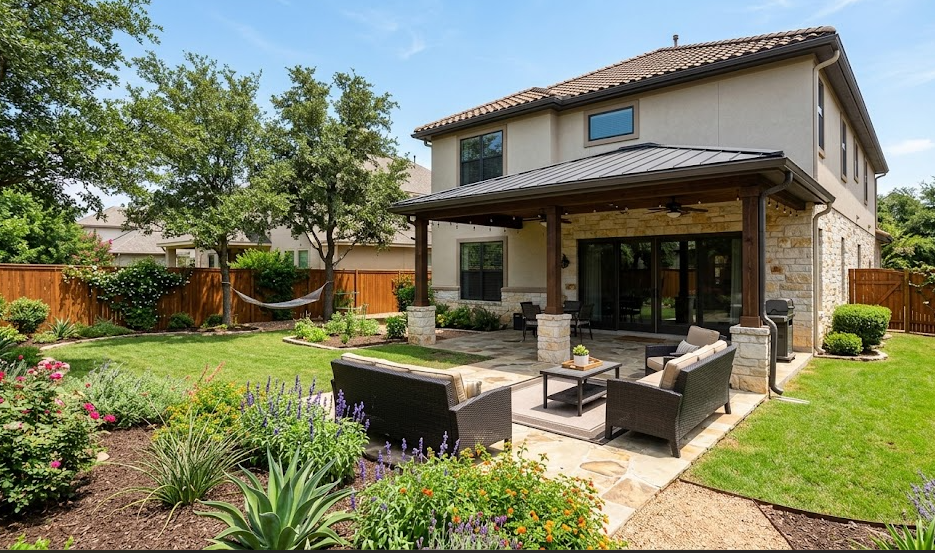
The definition of “affordable” has shifted significantly over the past several years. In previous market cycles, low interest rates allowed buyers to stretch purchasing power further, even as home prices increased. In 2026, mortgage rates remain materially higher than the ultra-low-rate environment buyers experienced earlier in the decade.
This means monthly payment—not home price—is now the primary affordability metric for most households.
A buyer who could comfortably afford a higher-priced home during a low-rate environment may now face tighter monthly payment constraints despite stable income levels. At the same time, rising property taxes and insurance premiums in Texas continue adding pressure to ownership costs.
As a result, buyers must approach affordability with a more comprehensive financial framework rather than relying on outdated rules of thumb.
The Core Factors That Determine Affordability
Several financial variables directly influence how much home you can afford in San Antonio in 2026.
The most obvious factor is household income. Lenders evaluate both gross monthly income and debt obligations when determining loan qualification. However, qualification and comfort are not the same thing. Just because a lender approves a certain amount does not necessarily mean the payment aligns with your long-term financial goals.
Mortgage interest rates also play a major role. Even relatively small rate increases can significantly affect monthly payments and reduce purchasing power.
Other important affordability factors include:
- Property taxes
- Homeowners insurance
- HOA dues
- Existing debt obligations
- Down payment size
- Credit score and loan terms
- Maintenance reserves
In Texas, property taxes are especially important because they can materially increase monthly ownership costs compared to other states.
Why Property Taxes Matter More Than Buyers Expect
One of the most overlooked affordability factors in San Antonio is property taxes.
Texas does not have a state income tax, which means local governments rely heavily on property taxes to fund schools, infrastructure, and public services. As home values rise, tax assessments often increase as well.
In practical terms, two homes with similar purchase prices can have very different monthly costs depending on:
- Tax rates
- School district location
- Municipal utility districts (MUDs)
- HOA structures
For buyers relocating from lower-tax states, this can come as a surprise.
Understanding the effective tax rate of a neighborhood is just as important as understanding the purchase price itself.
The 28/36 Rule Still Matters—But Flexibility Is Key
A common affordability guideline lenders use is the 28/36 rule:
- No more than 28% of gross monthly income toward housing expenses
- No more than 36% toward total debt obligations
While this remains a useful framework, modern affordability analysis requires more flexibility.
Some buyers with strong savings and minimal debt may comfortably exceed these ratios. Others may prefer lower housing costs to preserve flexibility for investing, travel, education, or business goals.
The key is aligning housing costs with your broader financial priorities—not simply maximizing loan approval limits.
Entry-Level Buyers Face a Different Market in 2026
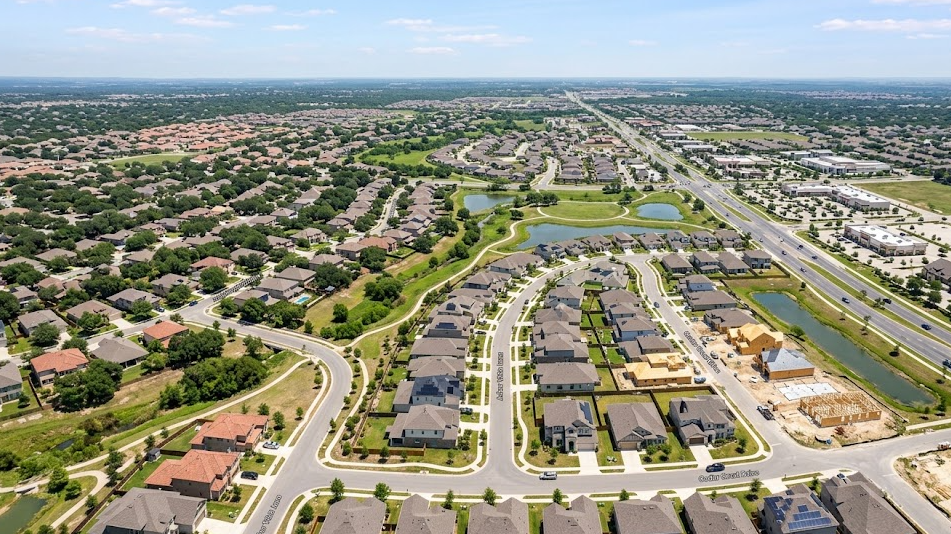
First-time and entry-level buyers continue facing affordability challenges in San Antonio, particularly in highly competitive neighborhoods and strong school districts.
Well-priced homes under key affordability thresholds often attract multiple offers, especially if they are move-in ready. This creates additional pressure for buyers working within strict monthly budgets.
Many entry-level buyers are adjusting expectations by:
- Expanding geographic search areas
- Considering townhomes or condos
- Looking at newer suburban developments
- Prioritizing smaller homes with lower operating costs
The reality is that affordability in 2026 often requires strategic compromise.
Suburban Growth Corridors Offer More Purchasing Power
One of the reasons San Antonio remains attractive is that buyers can often obtain more space and newer construction in outer suburban corridors compared to denser urban cores.
Areas outside central San Antonio may offer:
- Lower price-per-square-foot costs
- Newer homes with energy-efficient systems
- Lower maintenance requirements
- Larger lots and family-oriented communities
However, buyers must balance affordability against commute times, infrastructure quality, and long-term resale positioning.
A lower purchase price does not always translate into better long-term value if transportation costs and commuting burdens become excessive.
HOA Fees and Insurance Costs Are Changing the Equation
Many buyers underestimate how much HOA dues and insurance premiums affect monthly affordability.
Master-planned communities and newer developments often include HOA fees that support amenities and neighborhood maintenance. While these communities can offer strong lifestyle appeal, the fees increase total monthly ownership costs.
Insurance costs are also becoming more important in Texas due to severe weather risk, rebuilding costs, and regional market adjustments.
In some cases, buyers qualify comfortably for a mortgage payment but become financially strained once taxes, insurance, and HOA dues are fully factored in.
This is why analyzing total monthly carrying cost is critical.
Affordability Is About Sustainability—Not Just Approval
One of the most important mindset shifts buyers need in 2026 is understanding that affordability is not about the maximum amount a lender approves.
True affordability means maintaining:
- Financial stability
- Emergency reserves
- Lifestyle flexibility
- Long-term investment capacity
Overextending on housing costs can create long-term financial pressure, particularly if unexpected maintenance expenses or economic changes occur.
The strongest financial position is often achieved by purchasing below the maximum approval threshold rather than at it.
How Investors Evaluate Affordability Differently
Investors analyze affordability through a different lens than owner-occupants.
Rather than focusing primarily on monthly comfort, investors evaluate:
- Cash flow potential
- Operating expenses
- Tax exposure
- Insurance costs
- Long-term appreciation trends
- Rental demand stability
In San Antonio, affordability relative to Austin and other Texas metros continues attracting investor interest. However, rising operational costs mean disciplined underwriting is more important than ever.
The era of easy appreciation masking weak fundamentals is becoming less reliable.
The Role of Interest Rates in Buyer Strategy
Interest rates remain one of the most influential variables shaping affordability in 2026.
Even small fluctuations in rates can alter purchasing power significantly. Buyers should understand that waiting for dramatically lower rates may not always improve affordability if home prices continue rising simultaneously.
For some buyers, purchasing sooner and refinancing later may make more strategic sense than delaying indefinitely.
However, this depends entirely on:
- Financial readiness
- Market conditions
- Long-term ownership plans
There is no universal answer—only situational strategy.
What Buyers Should Prioritize in 2026
In today’s market, buyers should focus on:
- Total monthly ownership cost
- Long-term financial flexibility
- Neighborhood stability
- Commute efficiency
- Property tax exposure
- Future resale positioning
Affordability is no longer just about qualifying—it is about sustaining ownership comfortably while protecting future financial goals.
The most successful buyers in 2026 are approaching purchases strategically rather than emotionally.
The Long-Term Outlook for San Antonio Affordability
Despite rising costs, San Antonio remains relatively affordable compared to many major Texas markets. Continued economic growth, military presence, healthcare expansion, and population migration continue supporting long-term housing demand.
However, affordability pressures are unlikely to disappear entirely. Buyers who understand how to evaluate ownership costs holistically will be better positioned to make financially sustainable decisions.
The market increasingly rewards preparation, discipline, and long-term planning.
Final Perspective
How much home you can afford in San Antonio in 2026 depends on far more than income alone. Mortgage rates, property taxes, insurance costs, HOA fees, debt obligations, and long-term financial priorities all shape purchasing power.
The smartest buyers are not simply asking, “What can I qualify for?” They are asking, “What supports my long-term financial stability and lifestyle goals?”
That distinction matters more than ever in today’s market.
Build a Smarter Homebuying Strategy in San Antonio
Understanding affordability requires more than using an online mortgage calculator. Every neighborhood, tax structure, financing scenario, and ownership cost profile creates different financial outcomes.
At True North Group, we help buyers evaluate San Antonio real estate through a strategic lens—analyzing not just home prices, but total ownership costs, long-term value positioning, and financial sustainability.
If you’re planning to buy a home in San Antonio in 2026, let’s connect. We’ll help you understand what you can truly afford—and position you to make a confident, informed real estate decision.