Houston Ship Channel Industry & History
A large Harris County city east of Houston, where strawberry-field history meets the petrochemical corridor of the Houston Ship Channel and the San Jacinto battleground.
Pasadena is a large city in Harris County, Texas, situated about twelve miles east of downtown Houston along the Houston Ship Channel. With a 2020 population of 151,950, it is the second-largest city in the county and the 23rd-largest in the state, though it functions more as an industrial and working-class anchor of the Houston metro than as a standalone destination. The city was founded in 1893 and named for Pasadena, California. In its early decades it became the center of strawberry cultivation on the Texas Gulf Coast, shipping fruit to markets across the country. That agricultural era ended abruptly with the transformation of Buffalo Bayou into the deep-water Houston Ship Channel between 1902 and 1914, which drew oil companies to the area. Crown Central Petroleum built one of the channel's first refineries in 1919, and over the following decades Pasadena became one of the nation's foremost petrochemical and refining centers, with plants operated by companies such as Chevron and Chevron Phillips Chemical. Industry remains the backbone of the local economy. Thousands of residents work in the refineries, chemical plants, and related logistics and service industries that line the channel, and the Port of Houston's proximity reinforces the city's industrial role. At the same time, Pasadena is also a place of genuine historical significance: the San Jacinto Battleground State Historic Site, where Texas won its independence in 1836, sits at the city's northeastern edge, beneath the soaring San Jacinto Monument, with the battleship USS Texas moored nearby. Residents are served by Pasadena Independent School District and San Jacinto College, and the city maintains a strong civic culture built around events like the annual Strawberry Festival. Pasadena offers an affordable, unpretentious, and historically rich alternative within the Houston region, particularly for those whose lives are tied to the Ship Channel's enduring industrial economy.
Pasadena is located in Harris County, Texas, within the Houston-The Woodlands-Sugar Land metropolitan area. It is the second-largest city in Harris County, after Houston, and sits about twelve miles east of downtown Houston.
Pasadena is known as a major petrochemical and refining center along the Houston Ship Channel, with refineries and chemical plants that have operated there for a century. It is also known for its strawberry-farming heritage and its location beside the San Jacinto Battleground State Historic Site.
Pasadena sits about twelve miles east of downtown Houston, connected by State Highway 225 and the Sam Houston Tollway. Its position along the Houston Ship Channel places it close to major industrial employers, the Port of Houston, and the broader Houston metro.
Pasadena is served by the Pasadena Independent School District for kindergarten through twelfth grade. Higher education is available at San Jacinto College, which has a campus in the city, and Texas Chiropractic College is also located there.
The San Jacinto Monument, located near Pasadena at the San Jacinto Battleground State Historic Site, commemorates the 1836 Battle of San Jacinto, the decisive fight in Texas's independence from Mexico. The site also includes the restored battleship USS Texas, which is moored there.
Pasadena hosts the annual Pasadena Strawberry Festival and is close to the Wings Over Houston Airshow, held each fall. The San Jacinto Battleground State Historic Site and the USS Texas are nearby, and the city offers parks, trails, and access to the larger recreation and cultural amenities of the Houston area.
City Guide
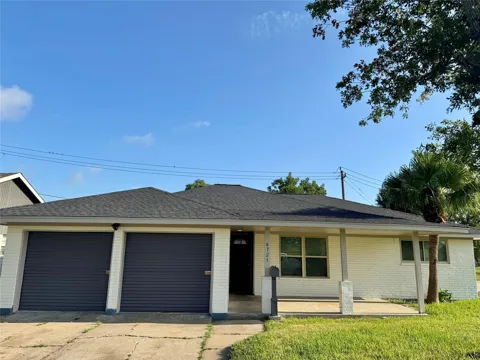
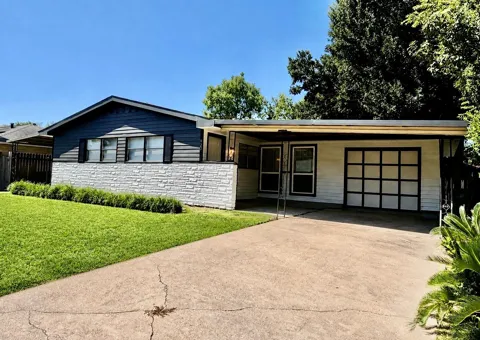
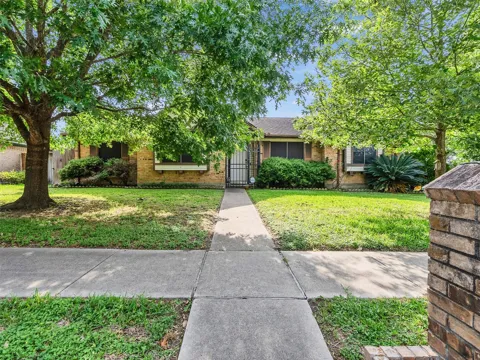
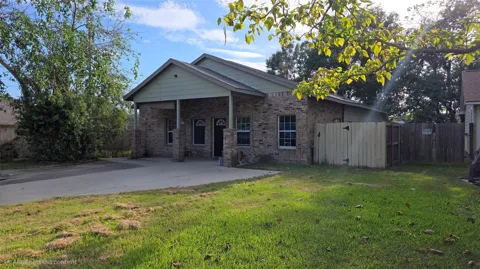
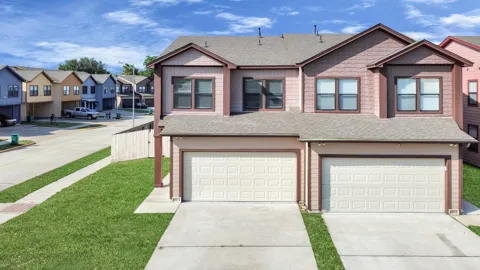
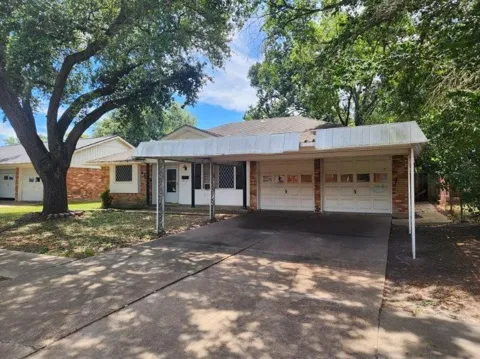
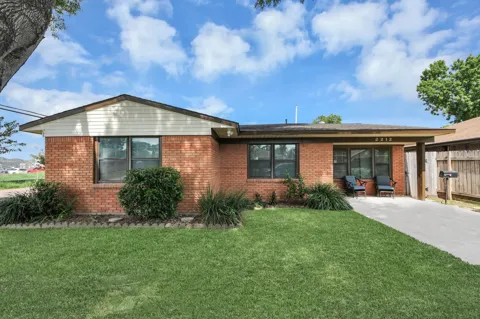
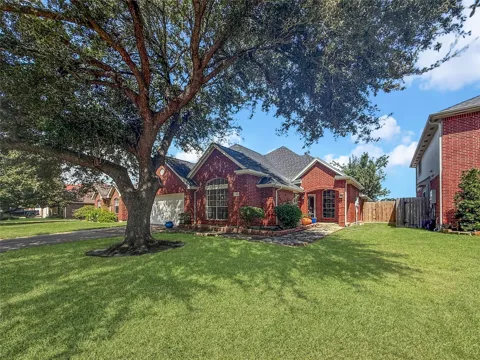
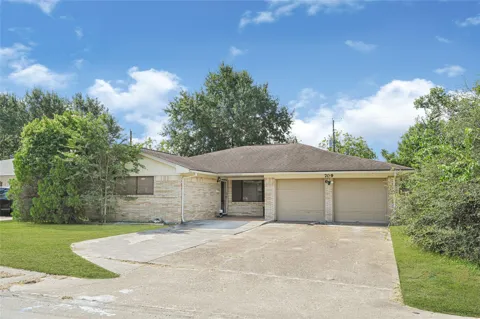
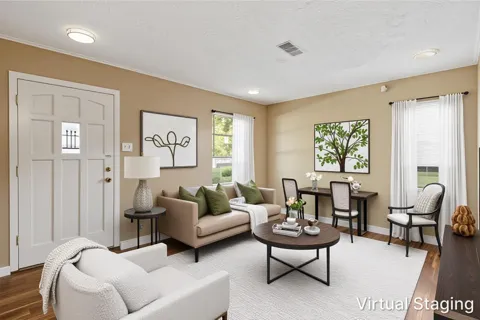
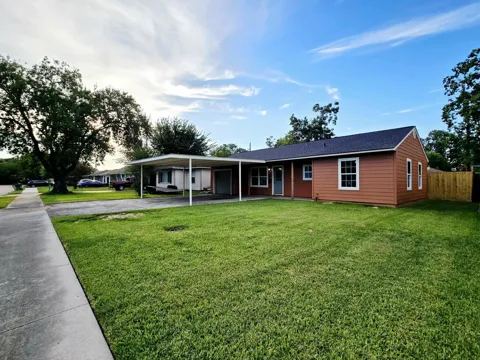
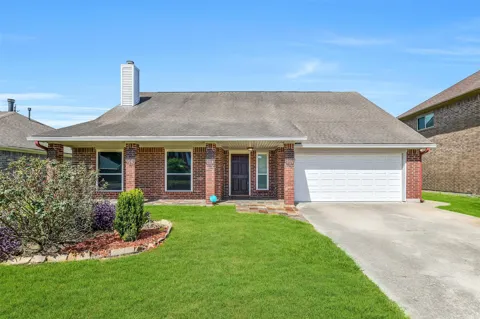
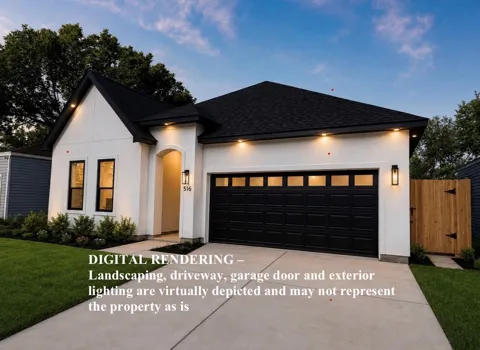
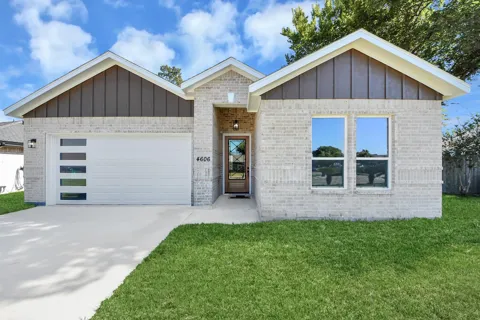
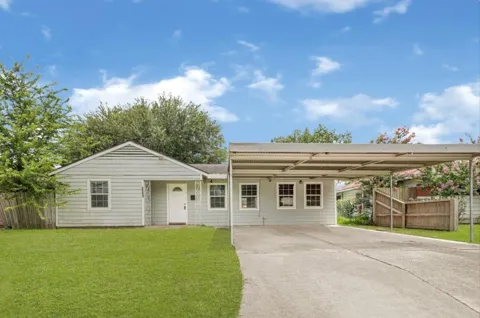
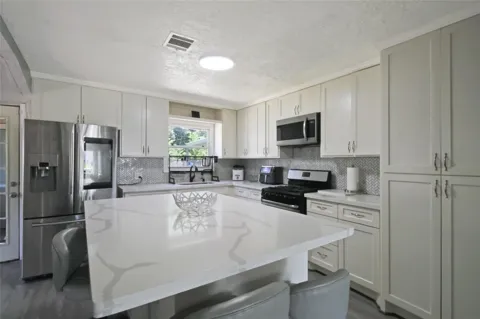
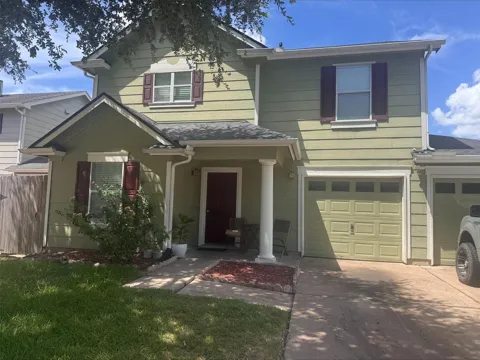
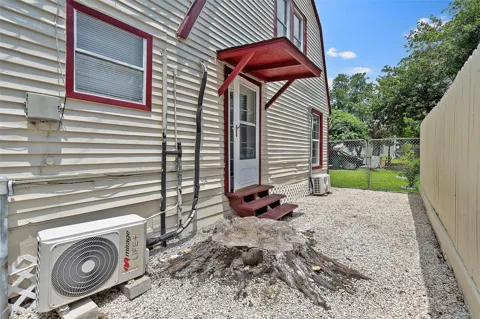
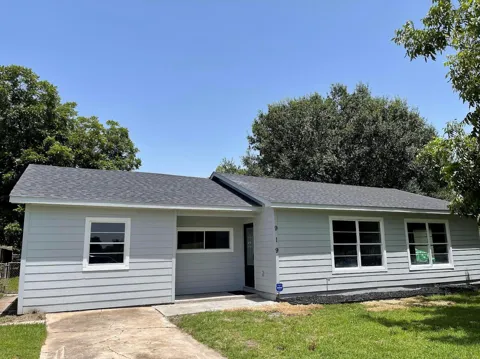
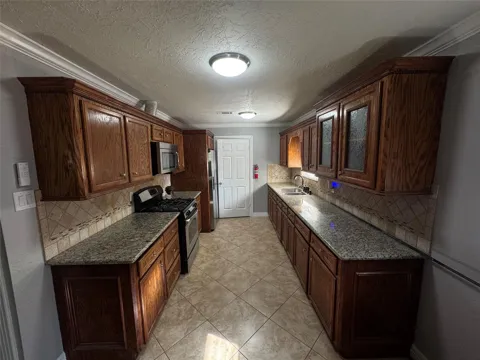
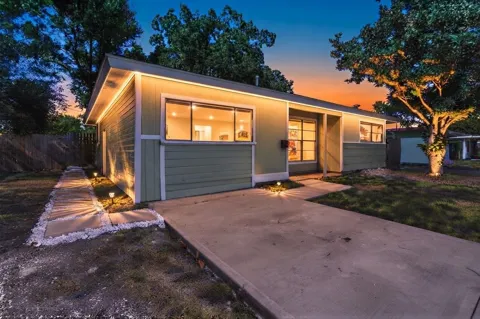
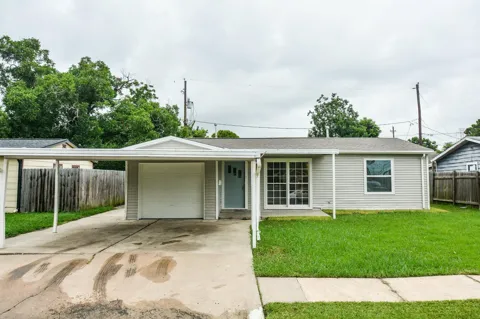
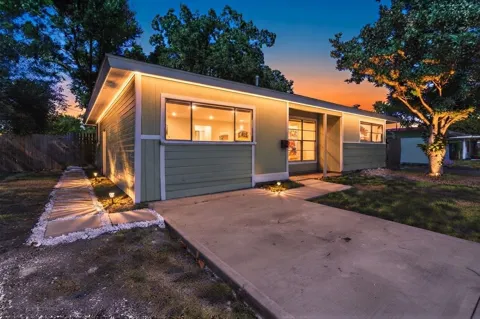
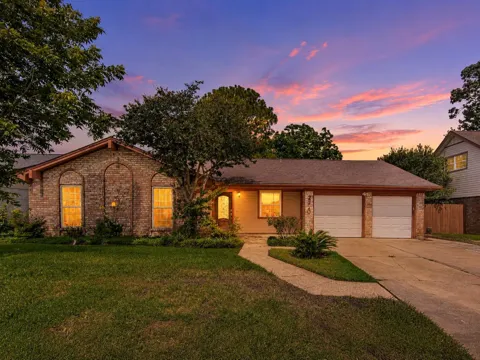
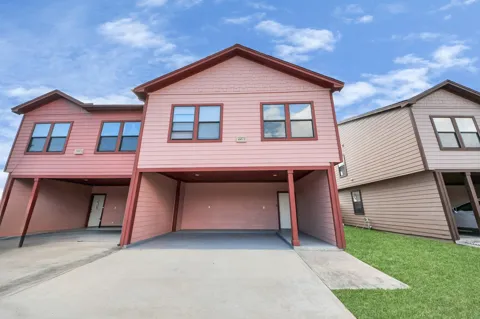
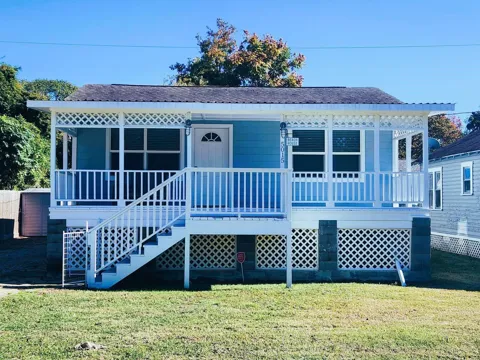
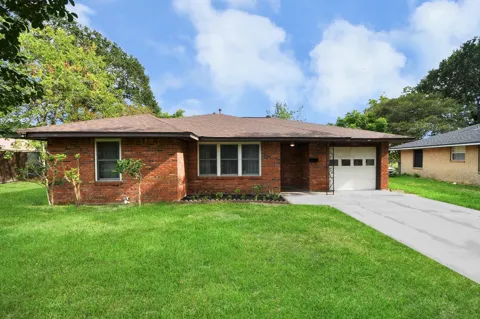
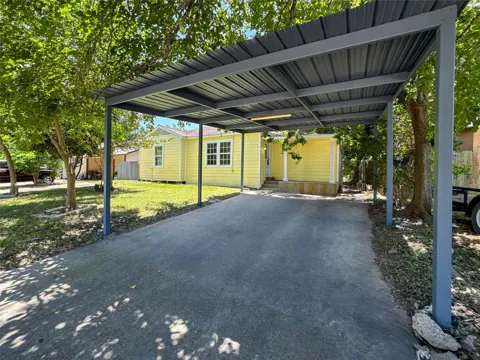
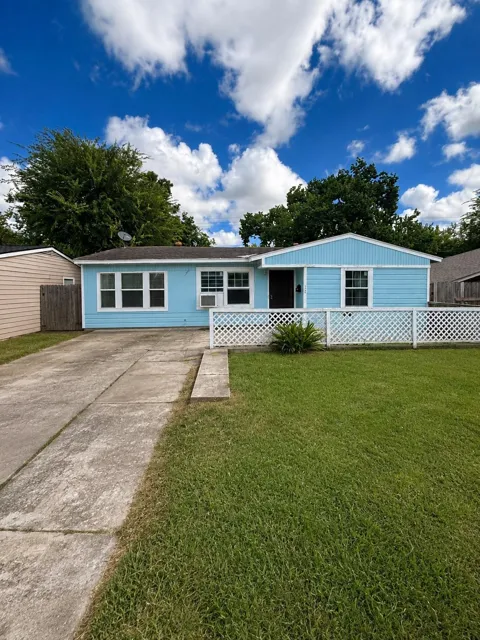
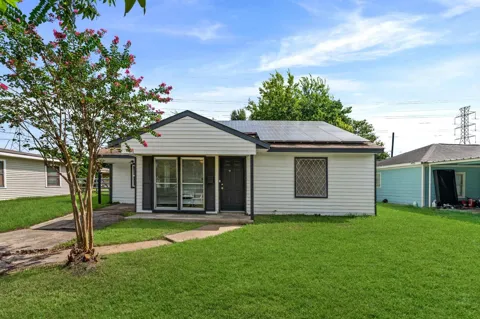
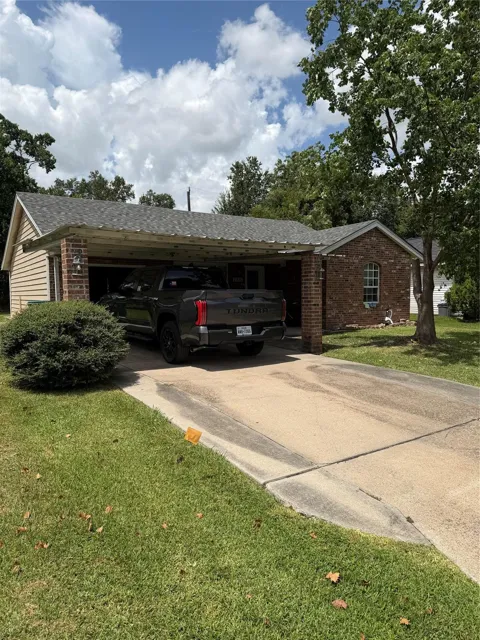
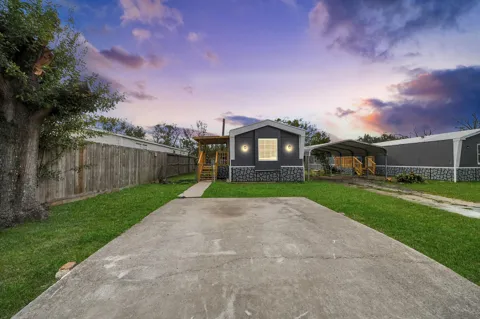
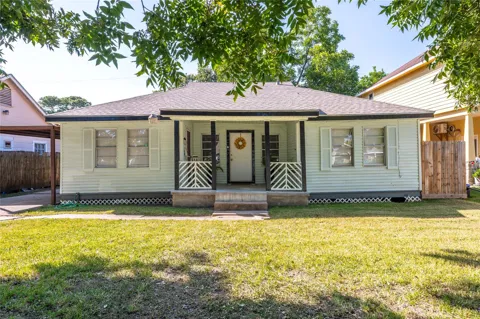
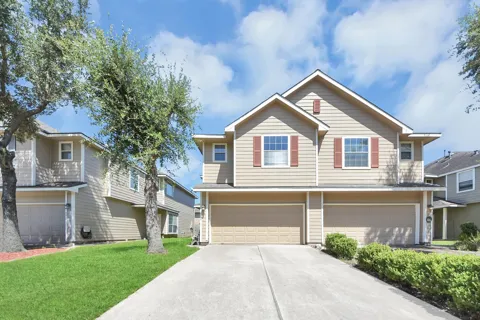
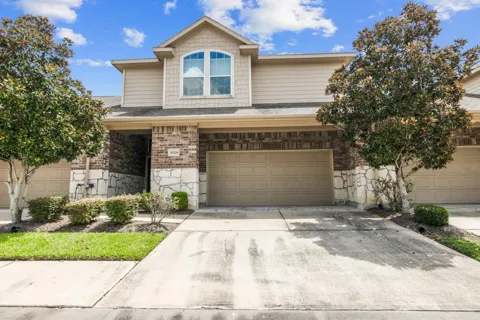
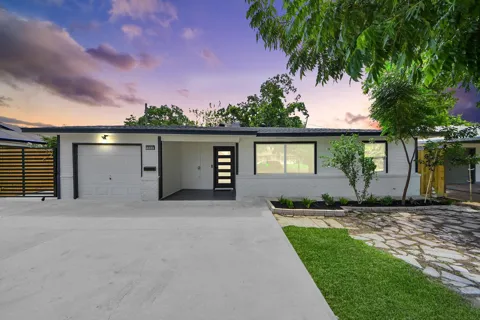
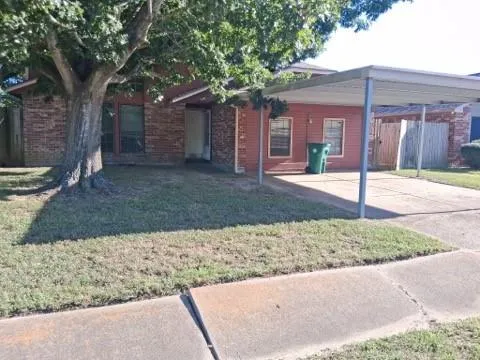
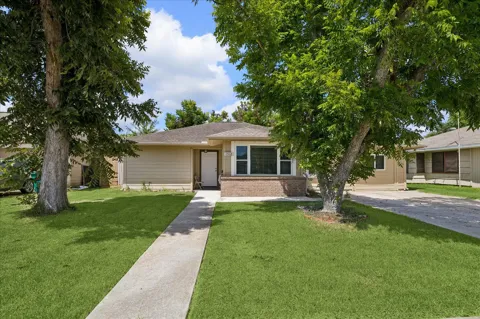
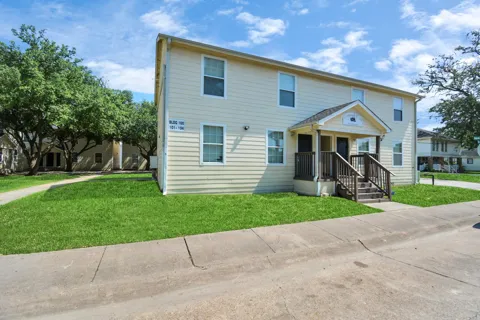
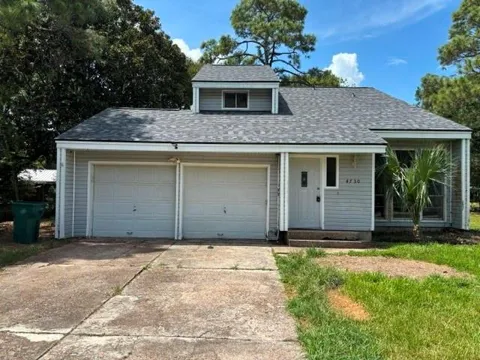
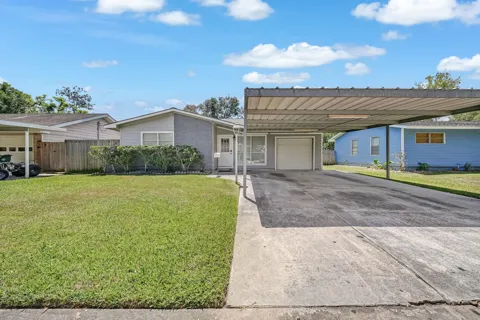
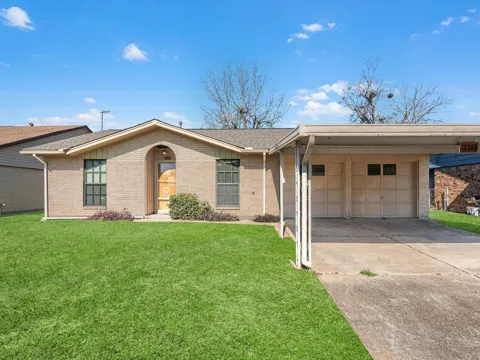
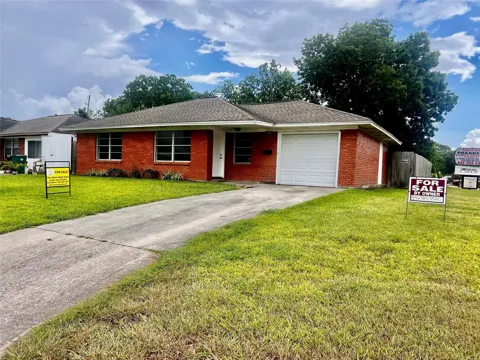
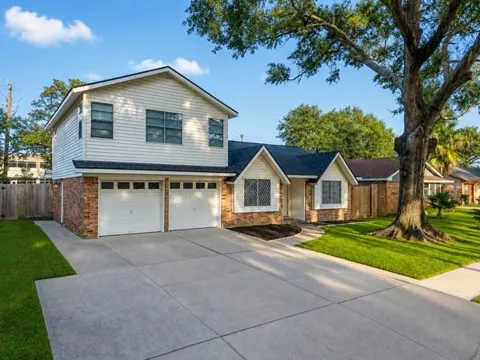
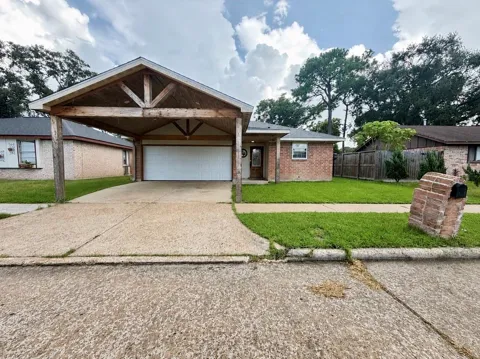
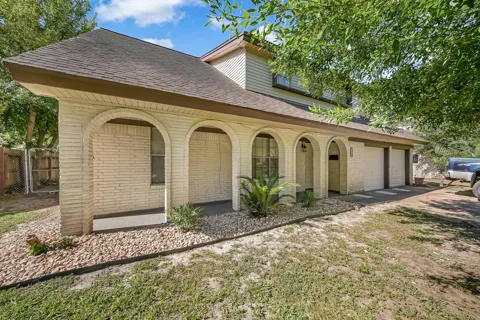
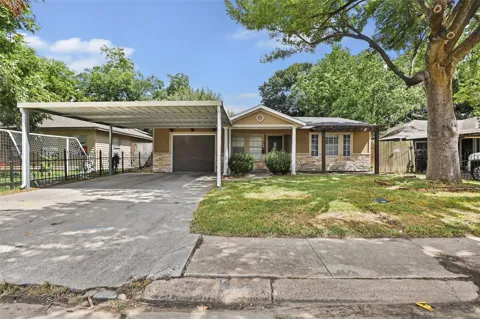
Pasadena's housing stock is among the more affordable in the Houston region, a primary reason the city has remained a popular destination for first-time buyers and working families. The market includes older single-family homes in established central neighborhoods, mid-century brick ranches, and newer subdivisions concentrated in the southern part of the city, where development has pushed toward the Clear Lake area. South Pasadena offers newer housing and a more suburban feel, while central Pasadena holds the city's older core. Because of its industrial surroundings, the city trades a degree of amenity and school prestige for substantially more home for the money, appealing to buyers who prioritize value and proximity to Ship Channel employers.
Pasadena's neighborhoods divide roughly between an older central core and newer southern growth. Central Pasadena contains the city's historic heart, with established blocks, long-running restaurants, and residents who prize affordability and closeness to schools, parks, and city services. South Pasadena is a more suburban area with newer construction, strong local schools, and convenient access to retail, event venues, and Clear Lake-area employment. The eastern and northern edges of the city lie nearest the refineries and chemical plants of the Ship Channel corridor, while residential areas continue to spread south toward the bay. The result is a city of distinct pockets, each with its own era of construction and character, unified by the overall identity of Pasadena.
Pasadena has a working-class, community-centered identity rooted in both agriculture and industry. Its residents value affordability, family, and tradition, and the city's civic calendar reflects that: the Pasadena Strawberry Festival, held each spring, celebrates the strawberry-growing era while commemorating the Battle of San Jacinto, and the Wings Over Houston Airshow draws aviation fans each fall. The city is culturally diverse, with a strong Hispanic influence alongside long-established Anglo communities, visible in its restaurants, churches, and public events. Day-to-day life is shaped by proximity to the Ship Channel's industrial employment and by a network of neighborhood parks, schools, and local businesses. It is a practical, no-frills city where a sense of place runs deep.
Pasadena is served by the Pasadena Independent School District, which operates a large network of elementary, middle, and high schools across the city, including campuses such as Sam Rayburn High School and Pasadena Memorial High School. Higher education is anchored by San Jacinto College, a large community college system with a major campus in Pasadena offering workforce and transfer programs closely aligned with the region's industrial employers. Texas Chiropractic College is also headquartered in the city. The district and college are significant local institutions, and the city's scholarship programs, supported in part by the Strawberry Festival, help connect graduating students to continuing education.
Pasadena sits directly on the Houston Ship Channel and at the center of one of the region's busiest freight corridors. State Highway 225, known as the La Porte Freeway, runs through the city's industrial heart, carrying refinery and port traffic, while the Sam Houston Tollway (Beltway 8) provides a loop connection to the rest of the Houston area. Interstate 45 and the Gulf Freeway corridor lie a short distance to the west. Freight rail and pipeline networks serve the channel's plants, and the Port of Houston, one of the nation's largest ports, is immediately adjacent. Commutes to downtown Houston, the Clear Lake area, and Hobby Airport are all manageable, making the city well positioned for both industrial and residential travel.
Pasadena's signature recreation and cultural experiences are tied to Texas history and aviation. The San Jacinto Battleground State Historic Site, at the city's edge, preserves the field where Texas won its independence in 1836, marked by the San Jacinto Monument and the restored battleship USS Texas. Each October, the Wings Over Houston Airshow brings vintage and modern aircraft to Ellington Airport, just minutes away. The Pasadena Strawberry Festival anchors the spring with carnival rides, concerts, and, true to its name, strawberries. The city also maintains neighborhood parks, sports facilities, and community centers, and residents are a short drive from the museums, professional sports, and bay-area recreation of greater Houston.
MARKET SNAPSHOT
How homes have been selling here over the last 90 days.
Market data reflects closed sales over the last 90 days and is provided for informational purposes.
EXPLORE COMMUNITIES
Browse the neighborhoods and subdivisions in this area.
BROWSE BY ZIP
Browse listings by postal code in this area.