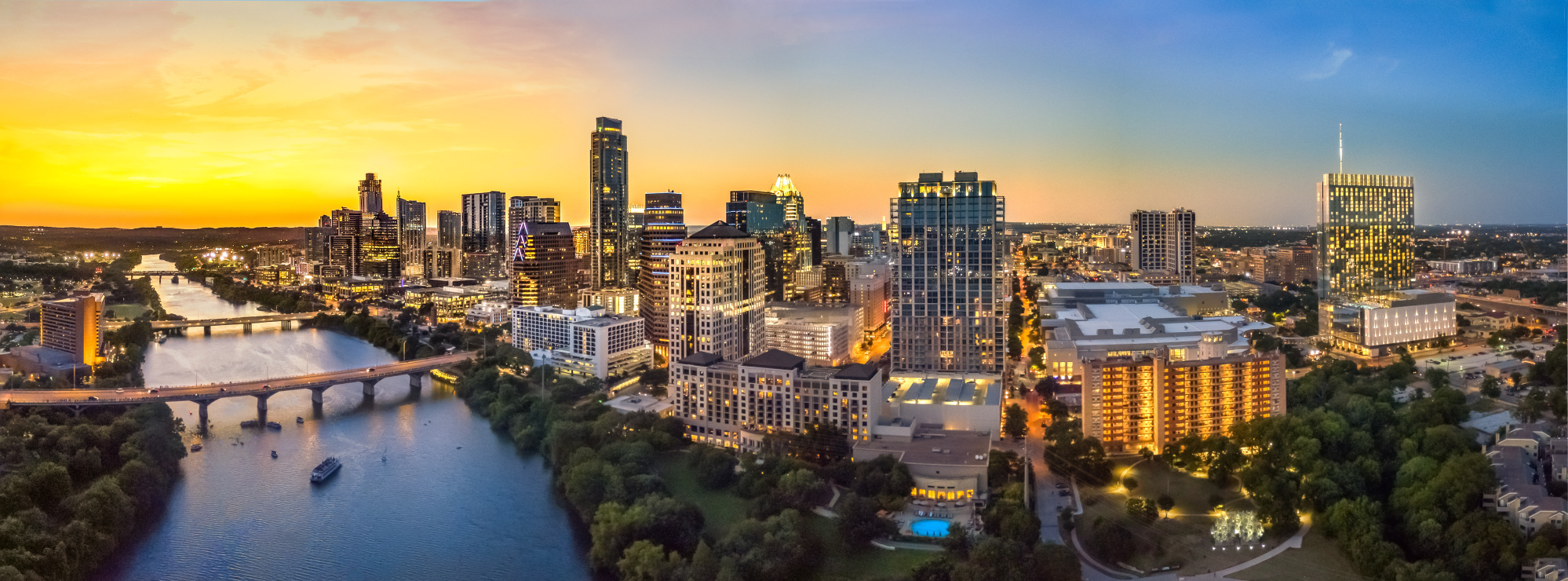
Buying a home near a major university has always required a different level of analysis than buying elsewhere — and in 2026, that has never been more true. The neighborhoods surrounding the University of Texas at Austin represent one of the most complex, competitive, and resilient housing markets in Central Texas.
UT Austin is not only one of the largest universities in the country, but also a powerful economic engine that influences housing demand, zoning decisions, infrastructure investment, and long-term appreciation across Central Austin. For buyers, this creates opportunity — but only for those who understand how the market actually functions.
Whether you’re a parent purchasing housing for a student, an investor evaluating rental performance, or a homeowner looking to live close to campus, buying near UT Austin in 2026 requires clarity, strategy, and realistic expectations.
This guide breaks down the UT-area housing market in detail — from demand drivers and neighborhood dynamics to financial considerations, zoning realities, risks, and long-term outlook — so you can make an informed, confident decision.
Why Proximity to UT Austin Continues to Drive Demand
Unlike many housing markets that rely on job cycles or consumer sentiment, demand near UT Austin is anchored by something far more stable: enrollment, employment, and institutional growth.
Each year, tens of thousands of students, faculty, researchers, visiting professors, medical professionals, and administrative staff require housing within close proximity to campus. This creates a renewable demand cycle that resets annually, regardless of broader economic conditions.
Beyond the university itself, UT Austin supports a dense ecosystem of hospitals, research facilities, startups, and technology partners. The surrounding area benefits from consistent infrastructure investment, public transportation expansion, and redevelopment initiatives that further reinforce housing demand.
From a real estate perspective, this means homes near UT are influenced less by short-term market swings and more by structural demand — a key reason prices in these neighborhoods tend to be more resilient during downturns.
Understanding the Neighborhoods Around UT Austin
One of the most common mistakes buyers make is assuming all “near-UT” neighborhoods function the same. In reality, micro-location determines everything from tenant profile to long-term appreciation.
- Immediate Campus Adjacency
Areas directly bordering campus — including West Campus and North University — are heavily student-oriented. Housing stock here is often smaller, older, and more densely developed. These areas attract investors seeking rental income but also face higher tenant turnover and greater exposure to regulatory changes. - Transitional Neighborhoods
Neighborhoods like Hyde Park and parts of Central Austin serve as a bridge between student-heavy areas and long-term residential zones. These areas appeal to graduate students, faculty, professionals, and families seeking proximity without full immersion in campus life. - Established Residential Areas
Areas such as Bryker Woods and select central neighborhoods farther from campus tend to attract owner-occupants and long-term renters. These neighborhoods often experience slower turnover, stronger community stability, and more consistent appreciation.
Understanding who your likely buyer or tenant will be — not just today, but five to ten years from now — is essential when selecting a neighborhood.
Primary Residence Buyers: Lifestyle vs. Practical Reality
For buyers planning to live near UT Austin, the appeal is obvious: walkability, access to public transportation, proximity to downtown, and cultural amenities that few areas can match.
However, owner-occupants must balance lifestyle benefits with practical considerations:
- Increased traffic during the academic year
- Limited street parking in some neighborhoods
- Noise and activity levels near student housing
- Higher purchase prices per square foot
- Stricter remodeling or historic overlay rules
In 2026, buyers who prioritize livability over proximity alone tend to be more satisfied long-term. Being near UT is valuable — being too close can sometimes create unintended trade-offs.
Investment Buyers: Rental Strategy Matters More Than Ever
Buying near UT Austin has long been attractive to investors, but in 2026, the investment landscape is more nuanced.
Traditional Student Rentals
These properties benefit from consistent demand but often require active management due to higher turnover and maintenance needs. Rent growth remains steady, but margins can be compressed by rising costs and competition from new apartment developments.
Parent-Owned Housing
Some families purchase homes for students to live in while renting additional rooms. This strategy can offset ownership costs, but it requires careful planning around zoning, financing, and long-term exit strategy.
Mid-Term Rentals
Increasingly popular in 2026, mid-term rentals target visiting faculty, medical professionals, and researchers. These tenants often stay longer, take better care of properties, and reduce turnover-related expenses.
Redevelopment and Value-Add Opportunities
Where zoning allows, some buyers pursue accessory dwelling units, duplex conversions, or small-scale redevelopment. These strategies require deep zoning knowledge and higher upfront capital but can significantly improve long-term returns.
The key is alignment: the property type must match the strategy. Proximity alone is no longer enough.
Financial Considerations in 2026
Buying near UT Austin requires disciplined financial planning.
Key factors include:
- Higher acquisition costs compared to most of Central Texas
- Property taxes that reflect strong appreciation
- Maintenance costs tied to older housing stock
- Insurance considerations for rental or multi-tenant use
- Financing differences between owner-occupied and investment properties
Rental income potential remains strong, but investors must underwrite conservatively. Vacancy assumptions, turnover costs, and regulatory compliance expenses should all be factored in.
For owner-occupants, long-term appreciation often justifies the premium — but only if the property aligns with neighborhood trends and buyer demand.
Zoning, Density, and Development Trends
Zoning is one of the most powerful forces shaping the UT-area housing market.
Some neighborhoods allow accessory dwelling units, duplexes, or limited multi-family development, while others are constrained by historic preservation or neighborhood overlays. In 2026, buyers who understand zoning flexibility — and its limits — have a significant advantage.
New student housing developments have also shifted demand. Large apartment complexes can reduce pressure on certain rental segments while increasing competition for older, less updated properties.
Before purchasing, buyers should understand not only what is allowed today, but how future development plans could affect their property’s value and usability.
Risks and Challenges Buyers Should Not Ignore
Buying near a major university comes with real risks:
- Regulatory changes affecting rentals and occupancy
- Market saturation in student-heavy zones
- Increased competition from institutional housing
- Higher renovation costs due to aging infrastructure
- Quality-of-life concerns for owner-occupants
In 2026, the biggest risk is assuming past performance guarantees future results. The market rewards those who plan for change rather than resist it.
Long-Term Outlook: Is Buying Near UT Still Worth It in 2026?
Despite higher prices and increased complexity, buying near UT Austin continues to make sense for many buyers — but only with the right strategy.
The area remains one of the most resilient real estate markets in Central Texas due to consistent demand, limited land supply, and the university’s continued growth. However, easy wins are rare. Success now depends on clarity of purpose, realistic underwriting, and neighborhood-specific insight.
For buyers who understand the market and plan accordingly, proximity to UT Austin can still deliver strong lifestyle value, rental performance, and long-term appreciation.
Work With a Team That Understands Central Texas at a Deeper Level
Buying a home near the University of Texas is not just a transaction — it’s a long-term strategic decision.
At True North Group, we help buyers navigate complex markets with clarity and confidence. Whether you’re purchasing a primary residence, investing near campus, or planning for future flexibility, our team provides data-driven guidance tailored to your goals.
If you are considering buying near UT Austin in 2026 and want a clear, honest understanding of your options, we would be honored to help. A thoughtful conversation today can make a measurable difference years down the road.
Schedule a personalized, one-on-one consultation with our team — and let’s build a real estate plan that always points true north.