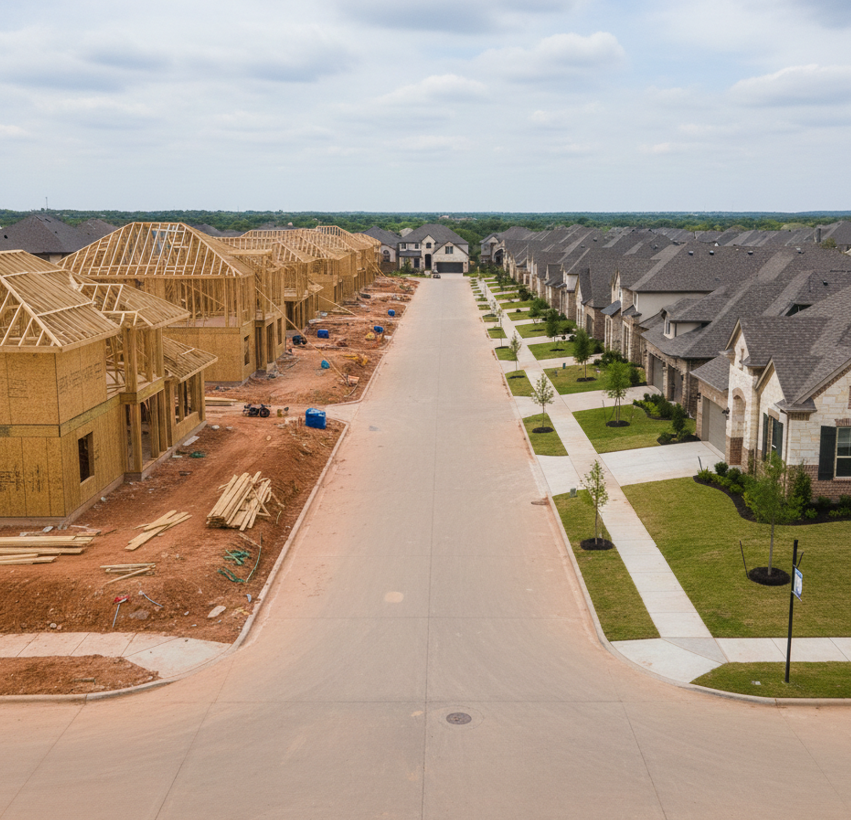
San Antonio’s housing market in 2026 is defined by steady growth, strategic expansion, and a return to balance. After years of rapid appreciation and intense competition, conditions have normalized. Inventory levels have improved, homes are staying on the market longer than during the pandemic peak, and buyers generally have more room to negotiate favorable terms. At the same time, continued economic expansion — including technology-sector growth and corporate relocation — continues to fuel long-term housing demand across the region.
For families, this combination creates a window of opportunity. Master-planned communities have become central to San Antonio’s suburban development model, offering structured neighborhoods, coordinated infrastructure, and lifestyle amenities that support long-term stability. However, selecting the right community in 2026 requires more than touring model homes and reviewing amenity lists. It requires a deeper understanding of financial structure, school district alignment, tax exposure, and long-term growth positioning.
Why Master-Planned Communities Appeal to Families
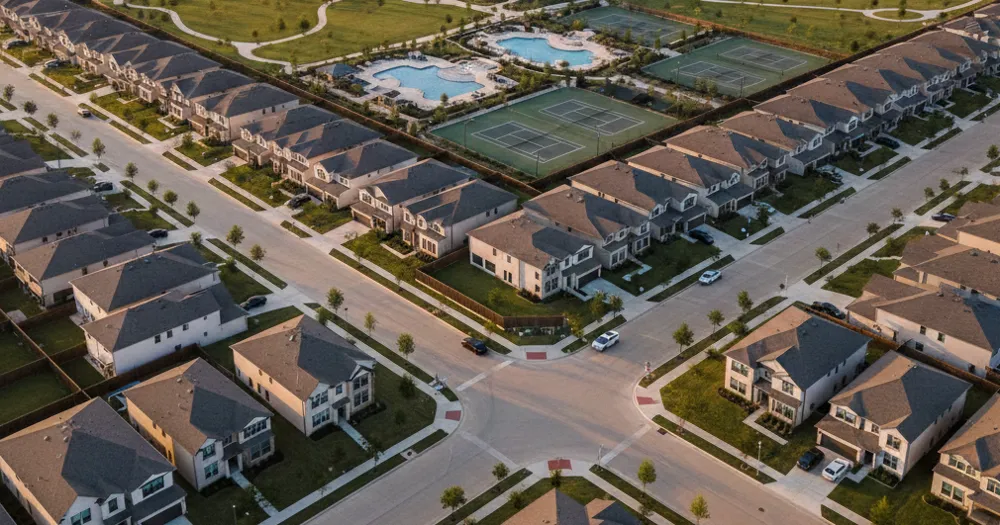
Master-planned communities are intentionally designed environments. Unlike older subdivisions that evolved over time, these neighborhoods are built with cohesive long-term planning. Streets, green spaces, commercial corridors, and school sites are often integrated into a larger development vision.
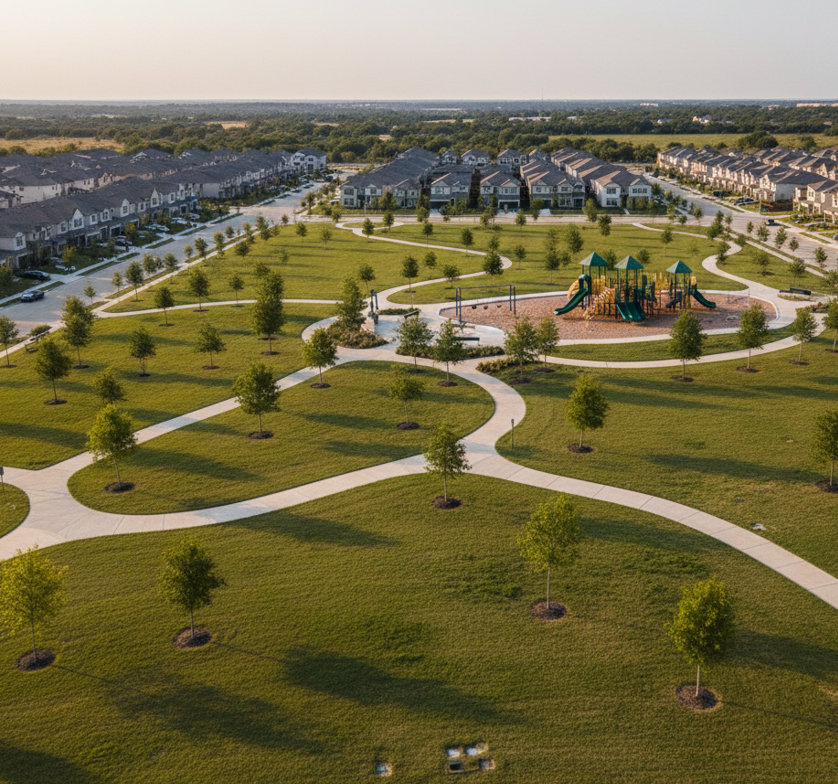
Families are drawn to these communities because they offer predictability. Sidewalks connect to parks. Amenity centers serve as gathering spaces. Architectural guidelines help maintain visual consistency. Community programming often encourages neighbor interaction. This structure reduces uncertainty — and in real estate, reduced uncertainty often translates into stronger resale performance.
In a city experiencing continued population growth, communities that offer a complete lifestyle environment tend to maintain consistent demand. Buyers entering the market in future years often prioritize amenities and school access in the same way current buyers do. That recurring demand cycle supports liquidity over time.
Financial Structure and Long-Term Ownership Costs
Understanding the full financial picture is critical when evaluating master-planned communities.
Property Taxes and School District Impact
Texas relies heavily on property taxes to fund public services, particularly public schools. In many San Antonio neighborhoods, the school district represents the largest portion of a homeowner’s annual tax bill.
This means that two homes with similar purchase prices may carry meaningfully different annual costs depending on district boundaries. School district selection is not solely an educational decision — it is also a long-term financial variable. Families must analyze effective tax rates and available homestead exemptions to accurately project ownership costs.
New Construction Tax Considerations
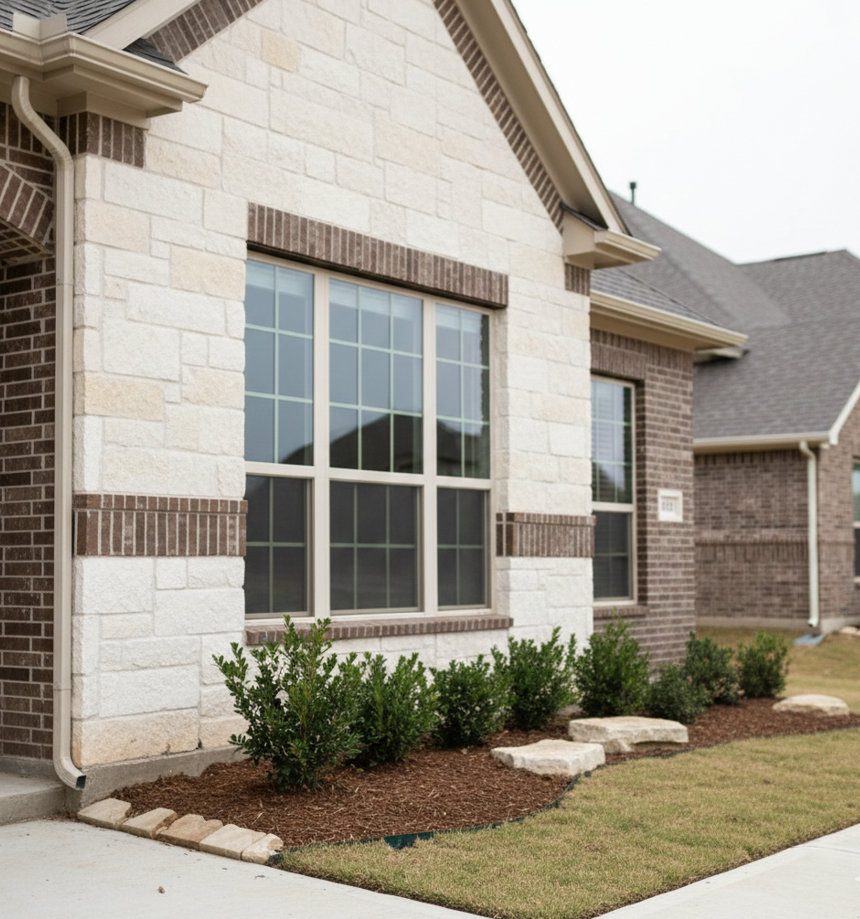
Many master-planned communities in San Antonio feature new construction homes. Buyers often rely on online listing portals that display incomplete or outdated tax information, particularly when a home has recently been built or sold.
Failure to estimate post-construction taxable value can lead to underestimating true monthly housing expenses. In a 2026 market that favors preparation over impulse decisions, disciplined financial modeling is essential.
HOA Fees and Community Assessments
Homeowners associations maintain amenities and enforce neighborhood standards. While this can protect long-term value, HOA dues vary significantly by community. Families should review annual dues, reserve funds, and any potential assessments. Premium amenity packages often correlate with higher recurring fees.
Market Conditions in 2026: What Families Should Know
San Antonio’s market has shifted from extreme competition to moderated balance. Homes are not appreciating at the same accelerated pace seen during the height of pandemic-driven demand.
However, this does not indicate softness. Instead, it signals a more sustainable growth trajectory. Continued job expansion — particularly within technology and defense-related sectors — reinforces structural demand.
For families entering master-planned communities, this means greater opportunity to negotiate builder incentives, request repairs, and compare options carefully. It also means that long-term appreciation is likely to track steady growth rather than rapid spikes.
Leading Master-Planned Communities for Families in San Antonio
Alamo Ranch (Far West / Northwest Corridor)
Alamo Ranch remains one of the most recognizable master-planned hubs in the city. Its scale provides multiple amenity centers, extensive trail networks, retail access, and healthcare proximity. Alignment with Northside ISD increases its appeal among families prioritizing school access.
The west side of San Antonio continues to attract expansion as infrastructure improves and employment centers extend outward. Alamo Ranch benefits from name recognition and established density, contributing to strong resale liquidity.
Families should evaluate commute timing carefully, as growth in the corridor can create congestion during peak hours.
Stone Oak (North Central San Antonio)
Stone Oak offers the stability of an established master-planned environment. Mature landscaping, gated sections, and proximity to major medical centers enhance its desirability.
Limited land availability in north-central San Antonio contributes to long-term pricing power. In a stabilizing market, established communities often retain value due to consistent demand and infrastructure maturity.
Entry costs may be higher relative to outer corridors, and property tax exposure must be carefully modeled.
Kinder Ranch (North of Loop 1604)
Kinder Ranch blends Hill Country character with structured development planning. Its recreation center, green space integration, and Comal ISD alignment in many sections attract families seeking newer construction with suburban appeal.
Northern expansion corridors continue to experience steady demand driven by lifestyle preferences and relative access to employment hubs.
Commute considerations remain an important factor for households working in central or southern areas of the city.
Cibolo Canyons (Northeast Corridor)
Cibolo Canyons represents a premium master-planned option, offering golf course integration, greenbelt lots, and resort-style amenities. The northeast corridor continues to see employment and residential growth.
While amenity depth supports strong community identity, HOA dues and overall carrying costs are typically higher. Families should ensure that lifestyle benefits align with daily use.
Stillwater Ranch (Northwest Corridor)
Stillwater Ranch offers a value-oriented master-planned experience with Northside ISD access and amenity-focused design.
In 2026’s more balanced market, communities in this pricing tier may present builder incentives and negotiation opportunities not available during previous peak cycles. This makes it attractive for first-time family buyers or households upgrading from smaller properties.
How to Evaluate the Right Community for Your Family
Selecting a master-planned community requires structured evaluation beyond surface-level appeal.
Verify School Boundaries
Do not assume district alignment based on marketing materials. Confirm campus assignments and future rezoning plans.
Model Total Monthly Cost
Include mortgage payment, property taxes (post-sale valuation), homeowners insurance, HOA dues, and projected maintenance.
Assess Commute Realities
Test travel times during peak hours. Lifestyle alignment depends heavily on daily transportation patterns.
Review Builder Track Record
Examine warranty coverage, construction quality, and community completion timelines.
Consider Future Resale Audience
Think five to ten years ahead. Who is most likely to purchase this home when you decide to sell?
Final Perspective
San Antonio’s master-planned communities continue to offer structured, family-oriented living environments supported by long-term economic growth. The 2026 market rewards buyers who approach decisions with data, discipline, and forward-looking strategy.
Choosing the right community is not about selecting the most talked-about neighborhood. It is about aligning financial planning, school preferences, commute realities, and long-term equity goals into a cohesive ownership strategy.
Families who treat real estate as both a lifestyle decision and a long-term financial asset are best positioned for stability and growth.
Work With a Team That Plans Beyond the Purchase
At True North Group, we guide families through master-planned community selection with a comprehensive approach. We analyze school district tax impact, corridor-level growth trends, builder negotiation strategy, and true monthly ownership projections.
If you are considering a move in San Antonio in 2026, schedule a personalized consultation with our team. We will help you compare communities side-by-side, model your real costs, and develop a long-term real estate strategy that supports your family’s future with clarity and confidence.